Review and Author Interview

Mya Roberts, Song of the Sea

Mya is a Guernsey author and the sea has always been an essential part of her life. Last year she completed her first novel, Song of the Sea, and will be appearing at this year’s Guernsey Literary Festival. I met Mya many years ago on a writing course and it was there she read the first few captivating chapters of what was to become Song. The first question then Mya, and of course the most obvious, what is your book about?
My story starts on Guernsey in the Channel Islands in the 1700s. My main character, Elise, has a pioneering spirit and is about to leave the only home she’s known in order to join her fisherman husband, Thomas, in Nova Scotia. We follow Elise across the Atlantic Ocean and into the arms of her husband and her life as a fisherman’s wife. Her adventures exceed her expectations, the splendours and extremes of her environment are beyond her imaginings; her trials and fears challenge her courage to the full.

That sounds a very interesting story – where did the idea come from?

Some years ago, my husband Ian and I were exploring Nova Scotia, Canada, in a 32ft recreational vehicle we named ‘The Beast”. On The Beast’s aerial we proudly displayed a little Guernsey flag. The area is spectacular, the campgrounds were a delight and the people were warm and generous. We were having the time of our lives. In our travels we discovered Isle Madame and on Isle Madame we came upon a harbour named Arichat. We saw two cannon pointing out towards a small, unimposing island. A plaque read, “Jersey traders, who were French-speaking British citizens, settled on Jerseyman Island off Arichat in the late 18th century. The island was later attacked by American privateer John Paul Jones, forcing the inhabitants to move to Isle Madame.”  I’m a writer. Need I say more?

Indeed not! What great inspiration. And of course coming from an area where the sea is part of everyday life, did you find it easy to start writing Song?

We do possess some of the most beautiful coastline you can imagine, though on a much smaller and in general less rugged scale than in that part of Canada. I was born by the sea, and have lived with the sea most of my life. To my mind the sea does speak and the range of its voice is extraordinary. 

How quickly did your main character form?

Elise and Thomas grew slowly and surely as the story developed. Marcel was more of a wild card. Each of my three main characters surprised and challenged me as they evolved. It was rather like producing and at the same time acting in play. You start with a story outline, which develops and you enrich your characters, and they enrich your story and your story enriches them.

How much research did you do?

It was endless and I loved it. Like a treasure hunter I sifted and pried. I went to Jersey to investigate the archives, and I interviewed experts, and, best of all, returned to Nova Scotia (and the 32ft Beast) to follow Elise’s journey, make notes, take photos, and undertake more interviews. It was difficult to leave great quantities of that fascinating material on the ‘cutting room floor’. I had to accept that my reader may not be as enthralled with the drying and salting process of fish as I had become.

Well Mya, you might be surprised there! Many authors of historical fiction read works by other historical fiction writers – who knows what one author can learn from another.  Once you’d done all your research and gathered all your lovely facts, how did the editing go? Do you see it as a necessary evil or something you enjoy?

A bit of each. The torment of a scene or a chapter that doesn’t work is deeply frustrating. The sculpting of a book when it blossoms on the page is a joyful thing.

Did you let the book stew – say, leave it for a month and then come back to it to edit?

It stewed to the point of extinction many times.

Well I’m glad you persevered! Now, tell us about that gorgeous cover.

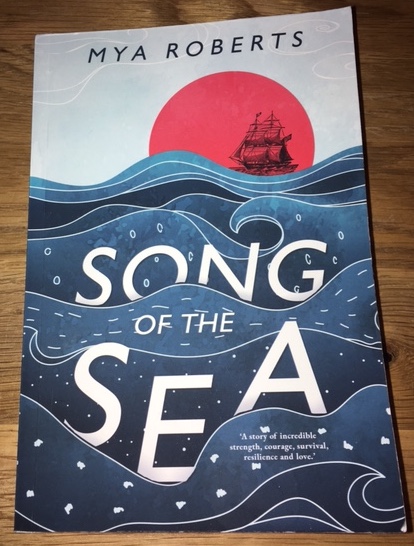
The cover started life rather Beige. A beige sea. I suspect my publishers were testing the ground by offering me a starting point. I was afraid they’d transform Elise into a double D, bodice ripping, lip-pouting glamour girl. Instead they offered that vivid startling sea, the glorious sunset and the galleon. It was love at first sight.

And so from cover to publishing – how are you publishing this book and why?

I have enough rejection slips to paper at least one wall. But I realise now that Song was rejected for good reasons. I dried my tears, stopped sulking, then started over. Only better.  Cranthorpe Millner accepted Song just weeks before Christmas 2021, and only weeks after I’d just completed major surgery followed by a gruelling course of Chemo. The offer was a good sign for the future, perhaps?  After all, I had to be around for book signings, didn’t I?

You most certainly do. Do you have a strategy for finding reviewers?

I gave my publishers a list of possibilities and they took it from there. A handful are in Canada, and they are very enthusiastic and supportive. I think I’m going to be big in Canada.

If you could have been the original author of any book, what would it be?

Something amazingly clever. Something that looks like it flowed from the  author’s brain to their keyboard in one smooth, electric stream: All The Light We Cannot See, Where the Crawdads Sing, JK writing as Robert Galbraith, or a Hillary Mantel, perhaps.

And finally…

What advice would you give to your younger self?

You’re worth more than you think, more talented than you feel and cleverer than you believe: now go for it.

Song of the Sea is the account of Elise’s journey – real and metaphorical – from her sheltered upbringing in Guernsey to Nova Scotia, Canada in 1755. Once reunited with her fisherman husband Thomas, she faces the unforgiving realities of life as a fisherman’s wife. Before she departs her home of Guernsey however, we see glimpses of the life she is leaving behind, of her gift as a herbalist that could end up seeing her hanged for witchcraft, a gift her grandmother made her promise to keep secret. As Elise’s new life unfolds in Nova Scotia there are distant rumblings of war, the threat of how her and her husband Thomas’s life could change forever. There is love, and loss, but also achievement and triumph as we travel with Elise to a time and place about which very little was known. She experiences motherhood, brutal war, and endures the horror of attack on her husband, and hopes in time to nurse him back to some sort of health. Throughout, Elise has to call upon strength she did not know she had. As her fortunes twist and turn Elise becomes a respected herbalist, a teacher and more. She becomes an independent woman in an age of great turmoil when women had very little choice over the lives they led.

We see her grow, and age, embracing one last challenge before her time is done, at one with the song of sea.
We Did It!

Here we are!

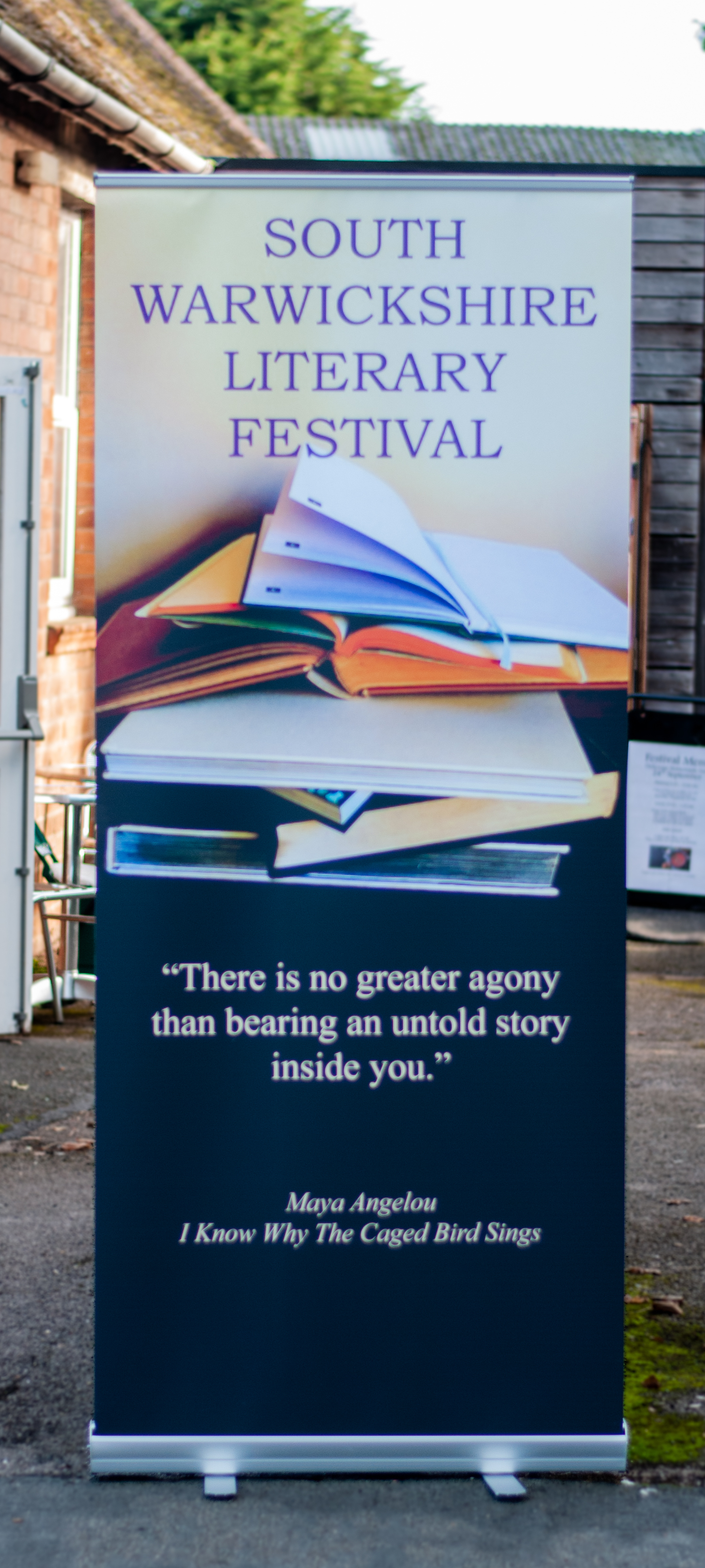
We did it – our first south Warwickshire literary festival and what a brilliant turn out it was! The sun shone – which was just as well as we had to move our many authors outside to sell their books due to ticket sales.

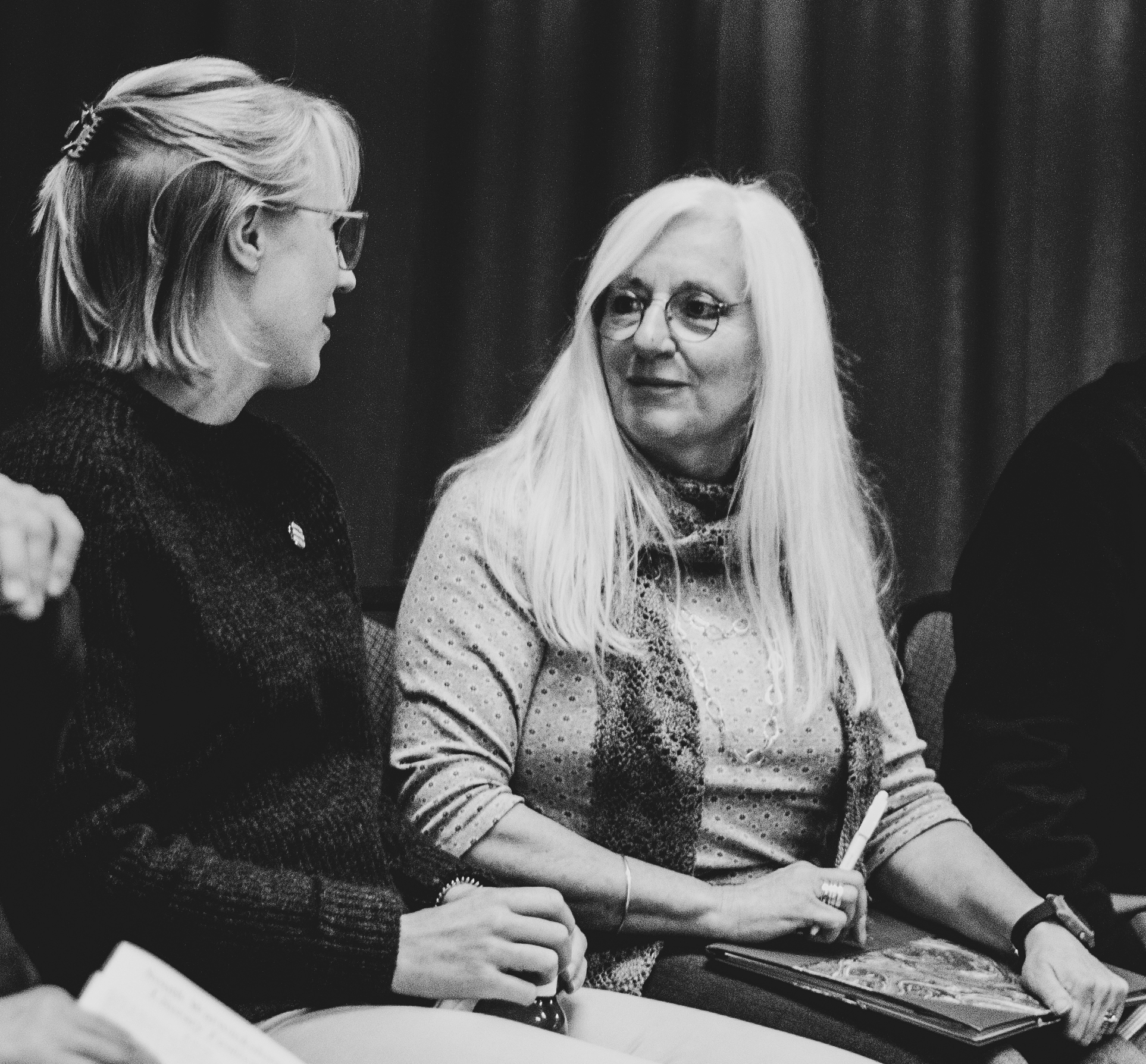
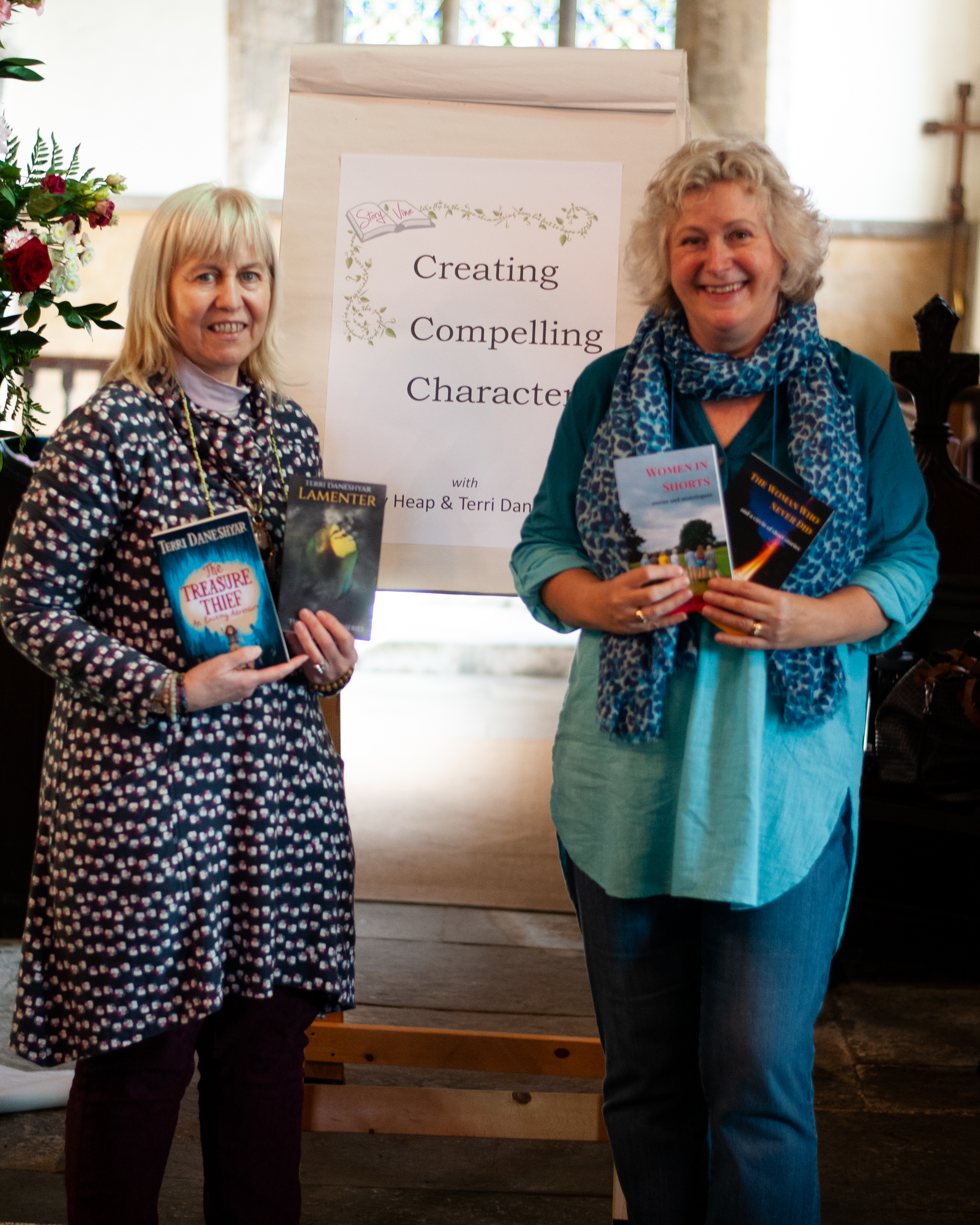
Creating Characters with Terri and Jenefer

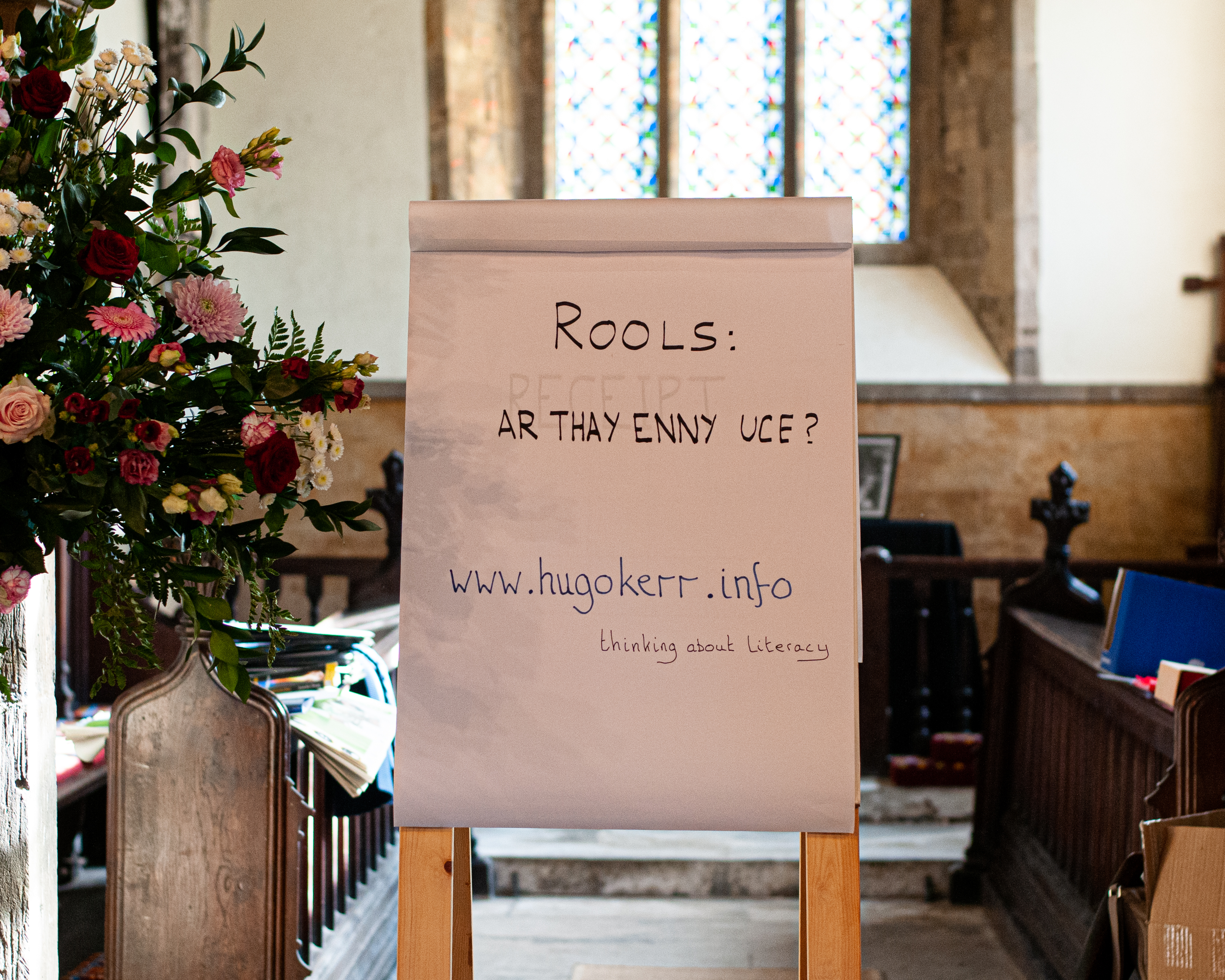
Our workshops were packed. Everyone seemed to have a great time and our workshop leaders delivered some fantastic content. All of them are to be commended – Hugo Kerr, Jenefer Heap and Terri Daneshyar, Cate West and last but not least Mslexia judge Audrey Niven. They were superb. From what our attendees told us it was an excellent day.

Well, are they?!

And our speakers in the main hall – well! The Young Poets certainly made an impact! We were blown away by their eloquence, observation and just damned talent! Award-winning young poet Emily Hunt drew much attention with her clever poems on nature, and Dan Wale, the Warwickshire Young Poet Laureate had us clapping almost out of our seats, and YPL runner-up Jolyon Summerfield also delighted us with his work.

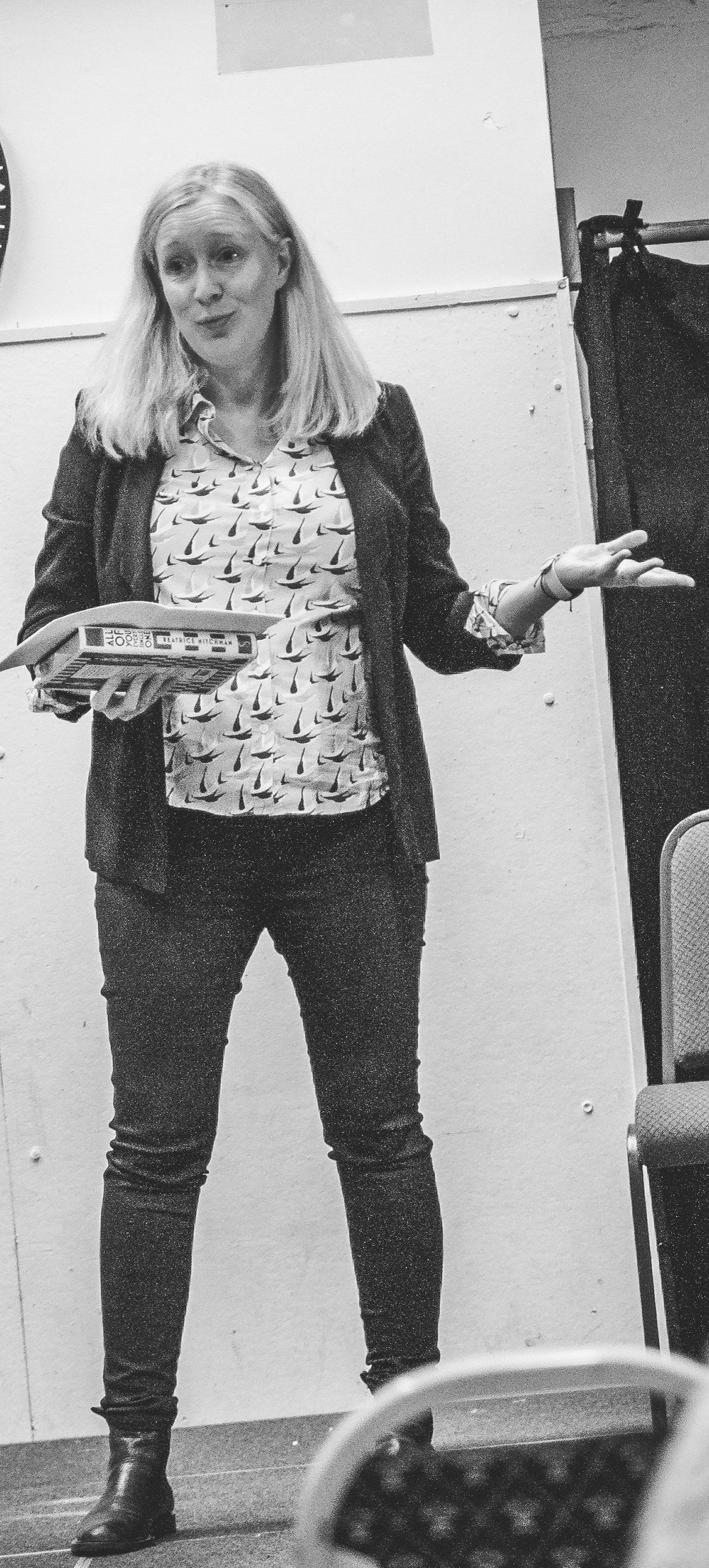
HWA long-lister Author Bea Hitchman
‘The Fish’ author Jo Stubbs and poet Gwyneth Box

All our authors were wonderful and we owe a huge debt to them for agreeing to take part for nothing. A special thank you has to go to poet, author and translator Gwyneth Box who stepped in at the very last minute – Cinderella timing if ever there was any – when one of our speakers was unable to come – and delivered a great hour-long talk off the hoof. Superb stuff.

Oh, and cake? Did we mention that? Well, our lit fest attendees did. In droves! Apparently it was pretty good!

         So – plans for next year? You bet!

Already drawing up the schedule…

Something About April

There’s just something about April, dontcha think? Is it gonna be warm? Is it gonna be cold? Is the sun gonna shine? When will it be summer? As I write, despite the horror news of the world burning to a crisp by Christmas it is quite actually properly April out there. You know the kind of thing here in the northern hemisphere, first bit of sun and we all rush outside like idiots getting sunburn while complaining it’s still chuffing cold, or migrating to the pub to quaff vast amounts of ale/cider/gin/something fizzy because it is SUMMER AND THAT’S WHAT WE DO only to discover that as soon as the sun goes down we return to winter and a halter-neck and flip flops just won’t cut it.

But why this nonsense about the weather? How about this is why we should include the weather in our writing:

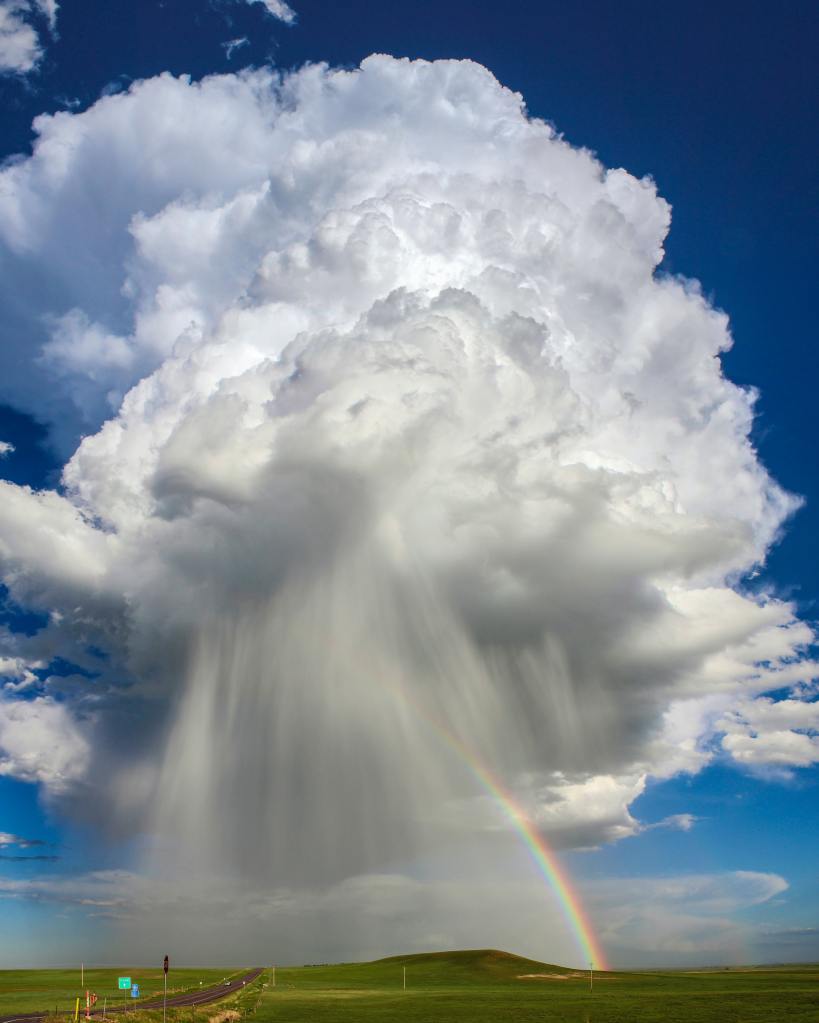
Thanks NOAA at Unsplash for this great picture

‘On the fifth day, which was Sunday, it rained very hard. I like it when it rains hard. It sounds like white noise everywhere, which is like silence but not empty.’ – Mark Haddon, The Curious Incident of the Dog in the Night Time

or

‘It was one of those March days when the sun shines hot and wind blows cold: when it is summer in the light, and winter in the shade.’ Charles Dickens, Great Expectations.

There was once a school of thought that suggested writing about weather in our work was dull. B Or Ing. Something we shouldn’t do if we wanted to keep our readers engaged. No one wants to read about the sunshine pouring in through the window or the rain battering the door we were told. Why ever not? I think one of the most important elements of a novel or short story or even flash, is, if applicable to the plot, the weather. It can set a mood, break a mood, and is as important a plot device as any of the others. Thrashing storms have to be thrashed out on the page to bring them to life. Simply saying there was a horrible storm at sea and the ship nearly sank doesn’t creative many waves, does it? So bring on the weather.

With climate change and the heating of the Earth many authors are turning their skills to writing cli-fi, much of it not fiction at all, so it looks like the weather in our writing is well and truly here to stay. But not in the way authors 50 years ago expected I guess.

Is cli-fi speculative? Can be. Dystopian? If you want. Utopian? Up to you. But all of it deals with the human fallout of a warming planet.

Climate Fiction: sounds like 21st century gothic horror to me.

What’s In a Name? Everything.

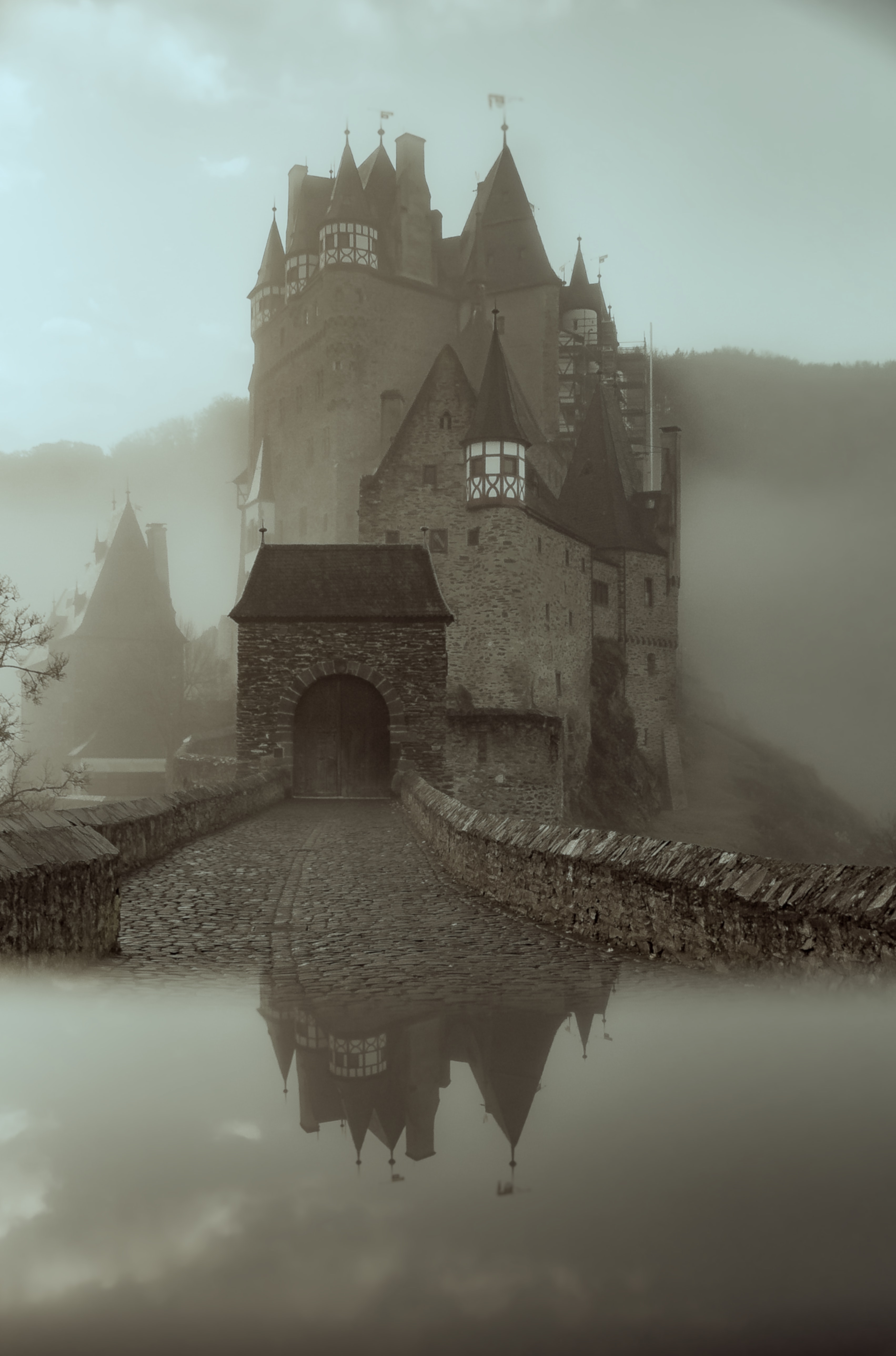
As TS Eliot correctly acknowledged, the naming of cats is a serious matter. As is your main character, or indeed a home, the place where all the action happens. Manderley for example. Serious action going on there. The House at Pooh Corner – not quite the same but still notable literary history, plus the added bonus of imparting a geographical location sans gps – just as long as you know where Pooh Corner actually is I guess.

Don’t bite the apple Snow White…

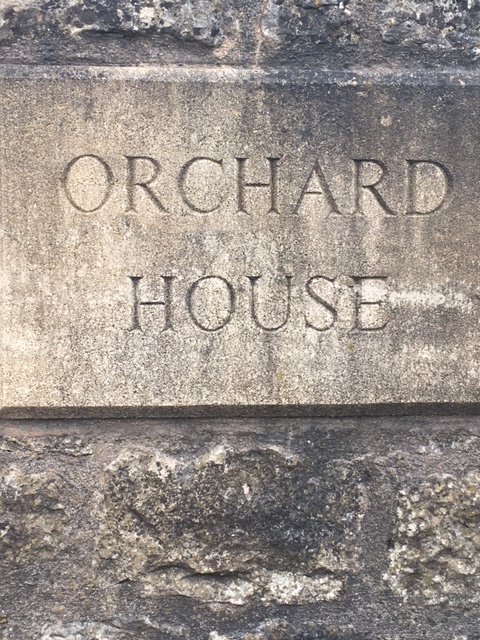
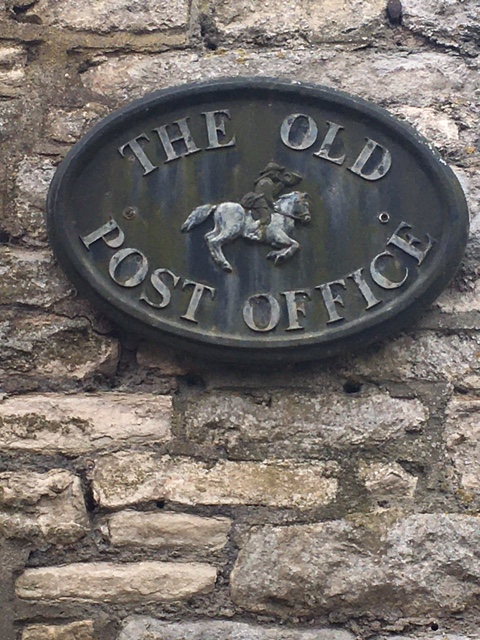
         On my Covid roamings my ever-observant eyes have paid more attention to local house names – apple anybody? – and the history-loving part of me mourns the death of Orchard Cottage (not an apple in sight), The Oaks (treeless), The Old Post Office, The Old School, Rose/Jasmine/Lavender/Yew Cottage. Scattered across the country are countless Blacksmith’s Cottages, Station Houses, and Old Mills, all a wonderful nod to the past and how lives were lived. But that was then and this of course is now. Where are the new names? Couldn’t we do with an I.T. Terrace perhaps, or a Broadband Bungalow? Or maybe Seeseeteevee Lodge, or simply just Renewables for a new housing estate on a windy site? As if someone had been thinking along the same lines as me, I did see one modern terraced house recently with a quaint 21stcentury millennial ring to it: it was named Tiny Box. True. The new owner was clearly being sardonic/humourous/notworriedaboutsellingit and it made me smile. Surely, as we stride ever forward, our achievements, as the industrious creative humans we are should be recognised in the naming of our homes? Holme Delivery? Still At Home With Mum & Dad House? (bit long for any on-line form, that one) or (and I promise this is the last one) Can’t Really Afford It Cottage. Where house names once reflected our jobs or the natural world perhaps in the future they’ll reflect the socio-politics of the time. Perhaps they should. Anyway, just a thought. A thought that brings me on to the importance of other names; our characters. Yes, like many a writer my path always returns to the plot, the people, and that pesky protagonist.

         A question for you dear reader. What do Harry Potter (pick an installment) Hamlet, Rebecca, Matilda (know where this is going?) have in common? Exactly. Each novel is the title of the main character. Yes yes I know that in the case of Rebecca ***SPOILER ALERT!!*** she’s not exactly there, being dead an’ all, but you know what I mean. It ensures that we’re not likely to forget them in a hurry doesn’t it? Leap forward some decades and ask yourself if you can remember the name of the protagonist in a book you read three months ago. Or the book before last. But seriously – what better way to get your work into the psyche of your readers? Nail the name and the rest should come, surely?

         Hunton Gurney. Top lawyer. Privately educated. 21stCentury Guy. London apartment, cottage in Cornwall (Fisherman’s, probs), expensive car, almost married to another high-flier. Or Hunton Gurney, 18thcentury labourer – no – let’s make him a blacksmith (and we all know where he lives), back already damaged from hard work, four living children, two others already dead from consumption, married to the exhausted but determined Rose. Or…Hunton Gurney, a small, mysterious village off the A436 somewhere between the Oxfordshire and Gloucestershire border. 

         You decide.

Reading Writing Reading Some More

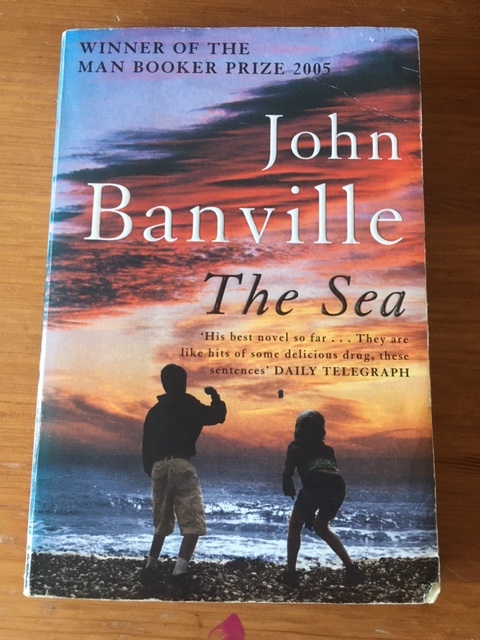
A little late to the party with this one, (15 years), I picked up John Banville’s The Sea recently because I wanted to know what made a Man Booker prize winner. And I wasn’t disappointed. A phenomenal read, it is so easy to relate to, to understand, to actually read, with language that is both lyrical and straightforward at the same time. I have to confess, this is the only book that actually took my breath away as I read the last page.

             Mourning the recent loss of his wife, protagonist Max Morden returns to the seaside village where he and his parents would stay during the summer holidays – in the cheaper holiday accommodation on offer – and where he met wealthier brother and sister Chloe and Miles. As we journey with Max in real time on his road of grief, we are also given retrospective insights into his growing pains as a boy, of lessons learned but not understood until many years later, of the slow yet steady crossing of the threshold from boyhood to early manhood. In The Sea Banville gives us intelligent observation, humour, grief, understanding. Oh, I realised as I finished the book, that’s what makes a Mann Booker prizewinner. Breathtaking. So if you get the chance, give it a read.

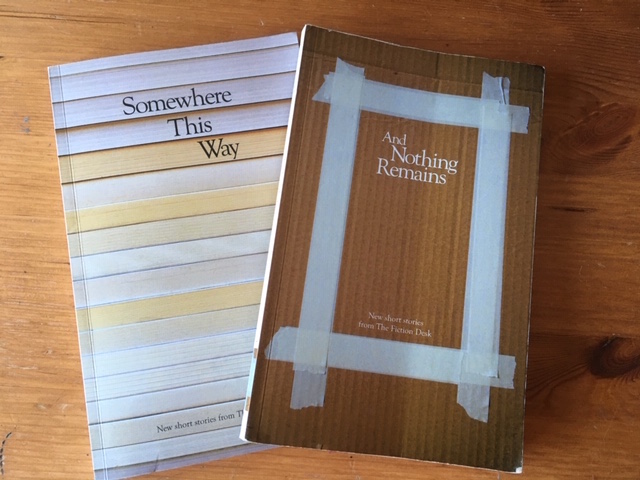
            Another couple of books that have kept my sanity levels from dropping off the scale have been And Nothing Remains and Somewhere This Way, both short story collections from The Fiction Desk.  Both books have a lively mix of stories, each author’s voice coming through loud and clear, but IMHO, Thirteen Wedding Dresses in And Nothing Remains is by far the quirkiest, sweetest, most unusual story, written by Scots author Douglas Bruton. As it’s a short, I won’t give too much away, other than to say a wedding dress has gone astray before the big day… 

            All this reading has perhaps returned to me the urge to write again. Who else out there found themselves floundering at the keyboard as every go-get ‘em idea withered and died before the end of the sentence? Who else has taken the opportunity to look through all those WIPs and bin the Doesn’t Stand A Chance & I Have NO Idea Why I Thought It Would files? Although.. maybe… they were just ideas…prompts if you will… perhaps I should retrieve them after all… 

            But for now, I shall take pot luck and browse the hundreds of books on the shelves of charity shops and see what else I can find. I know. A Man Booker winner ending up on a charity shop bookshelf. Kinda puts everything into perspective doesn’t it.