Six Tips For Scary Writing

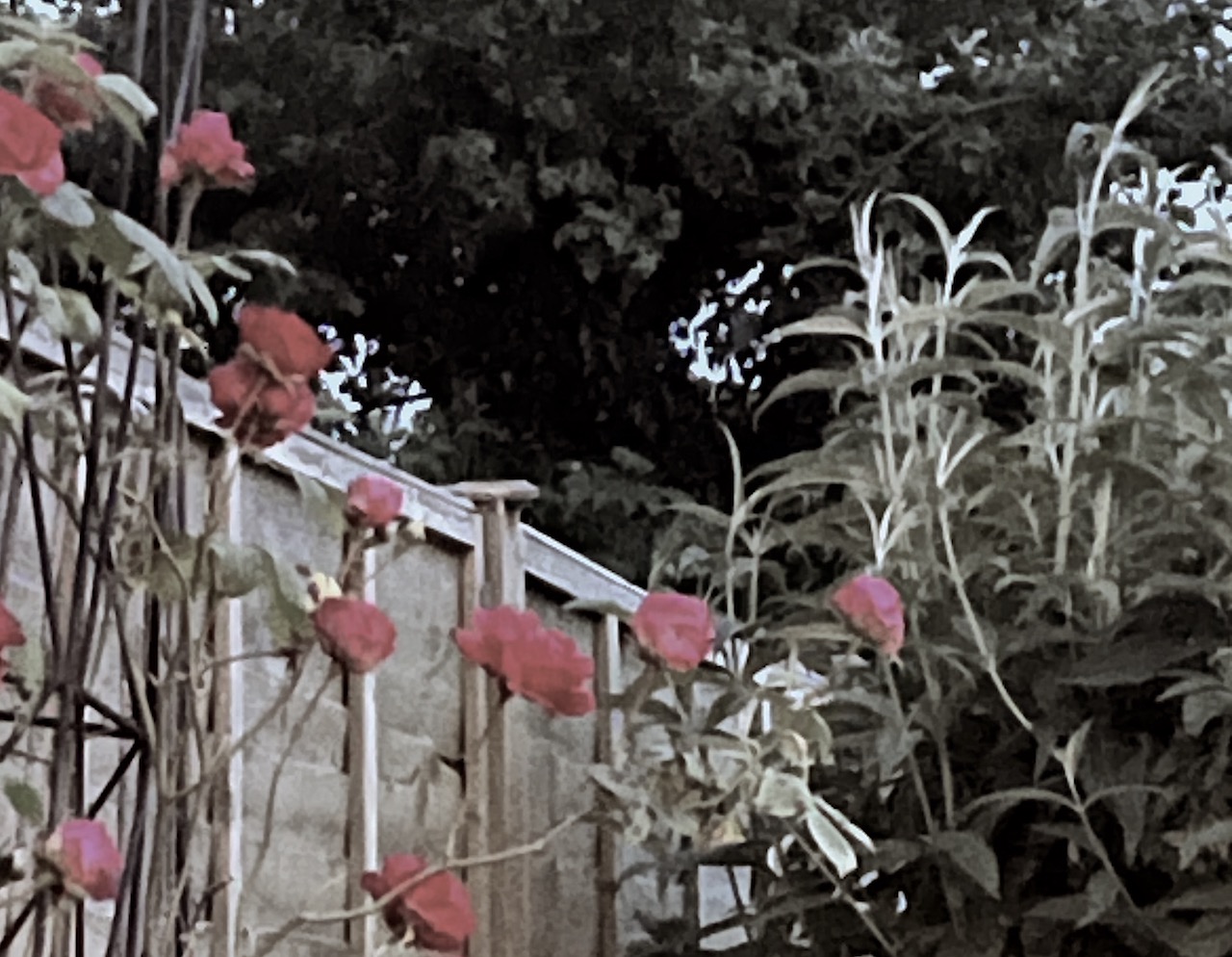
Take a look. What do you see? Nothing much? Or a giant googly-eyed monster looming out of the darkness over this fence?
Horror writing. The best is all in the detail. Or lack of it. Let the reader use their imagination, let them see things through your words. Sounds easy, right? Well we all know it’s not. How to create tension, how to get the reader hiding – metaphorically – under the bed. How how how. As a horror/ghost story lover since childhood I’ve tried so many times to write a really good ghost story. Wrote, edited, believed. Set it aside. Went back several months later and howled like the proverbial wolf man with laughter at just how awful it was. The trick, as I understand it, is to leave the reader with a feeling that either a thin trickle of cold water is dripping down their back or a merest touch from a ghostly hand has just brushed their neck. Right. I’ll get on it then. Sounds so eeeeeeasy.

What do we need?

  1. A creepy setting. Could be a grave yard but that is sooo yesterday. Unless it’s a modern grave yard. What is a modern grave yard? (cue internet search for 21st century funerals)
  2. Odd characters. The sort that appear unexpectedly and look just a bit…y’know… deranged in an unthreatening kind of way – until it’s too late
  3. A mystery. Take your pick. A mystery sound. A mystery sighting. A mystery smell. A mystery person. A mystery mystery…. you get the idea.
  4. An unexpected and clever twist. Unexpected and Clever? Jeez. Not making this easy.
  5. A monster. Or unexplained creature. Like a googly-eyed monster leering over a fence. Just sayin.
  6. And, I suppose, knowing what it is people are scared of these days. There’s enough ghost hunter footage out there that tells us we are still afraid of the paranormal, because now, we could say – and I’m just putting it out there – it could actually be real. Which is scarier: the ghost idea or the concept that it is real?
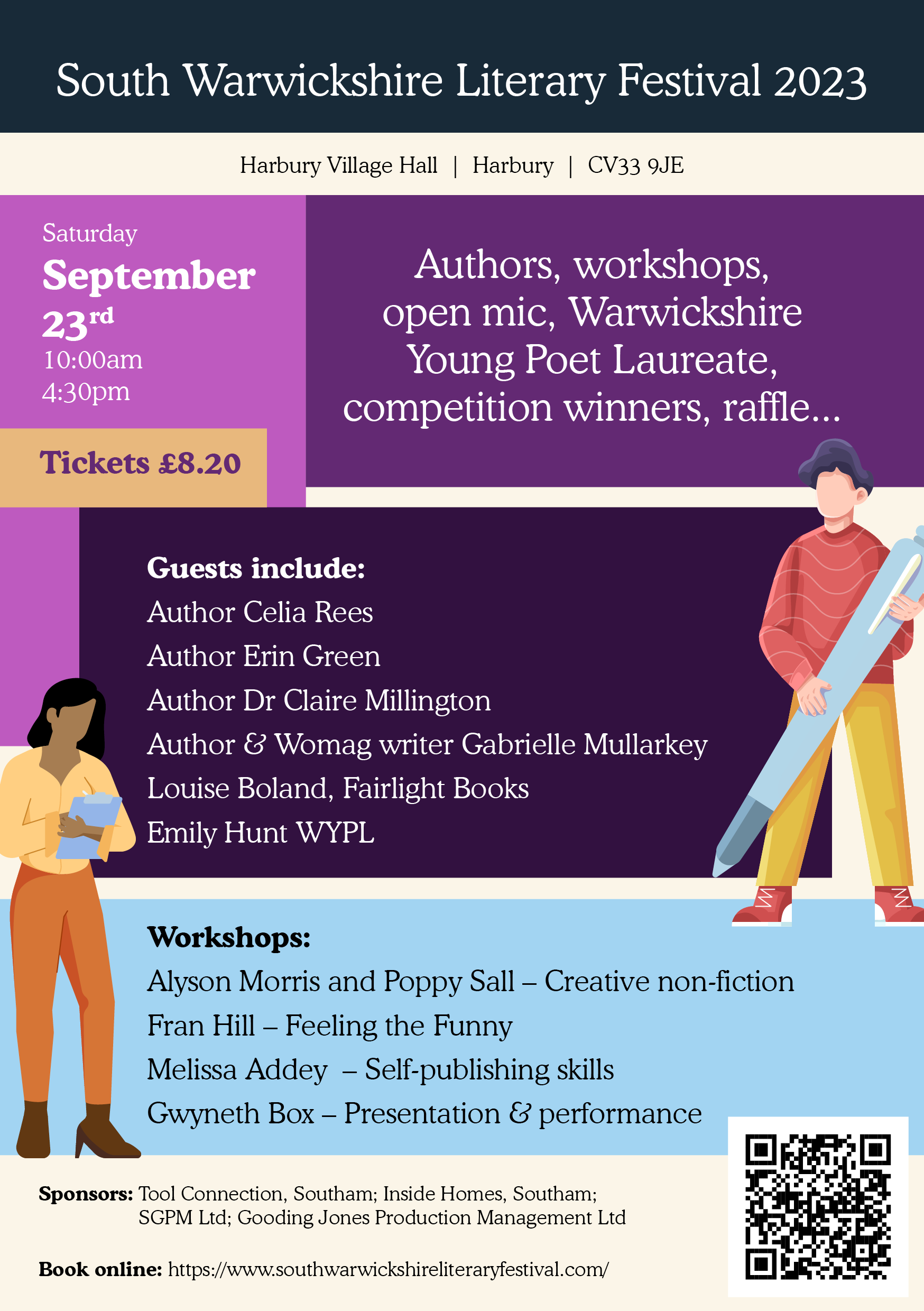
South Warwickshire Literary Festival 2023

As some of you may know last year was our first year at having a go at Doing A Lit Fest and we got so excited about it that this month sees us doing it again, this time in Harbury, near Leamington Spa, Warwickshire. We expanded our reach a bit by launching a writing competition in April and by the time you read this our winners will know they’ve won. It’s been a privilege reading work from so many authors; fiction, creative non-fiction and poetry and thankfully I didn’t have to judge any of the entries. Our three authors who did do the judging had a difficult job as we received so much great stuff. Where to start! Anyhow, it’s always great to win, right? but for those who haven’t on this occasion, the best advice is to just keep plugging away. I say this from experience! ‘Ah so what’ I mutter, as yet another rejection email slips into my inbox. ‘Clearly the world isn’t ready for my amazing writing just yet and where the hell is that bottle opener…?’

But here we are heading toward Saturday 23rd – here’s the postcode if you fancy coming along – CV33 9JE – all our workshops are now full but we have an amazing running order. Just look at this lot! Author Erin Green – she of the 12 romance and romcom novels – will be giving a talk on life as an agented and published author, sharing her insight and experience and telling it like it is to be a writer in the current climate. We delighted to have Louise Bolan, founder of the superb Fairlight Books giving the headline talk on everything you’ll ever need to know about how to get your work in front of a small publisher. Local author Celia Rees, author of award-winning Witch Child is joining us, historian Dr Claire Millington is opening the show with a talk about her children’s book set in Pompeii at a time when things got a bit hot and dusty, and no SWLF would be complete without our current Young Poet Laureate. Honestly, kids these days! Poetic, Talented, The Future!

Our workshops are full so sorry if you’ve missed out there – we won’t tell you about the fantastic stuff you are missing out on as that would be meany meany of us but do still nab a ticket and come along to enjoy our lunchtime Open Mic – oh that’ll be a hoot! Got a poem to perform, a flash to voice, or a short story to shout about? Now’s your chance! Oh and if all this delicious writery stuff isn’t enough, we’ll also have a raffle with some great prizes on offer. Books anyone?

To be sure to get a ticket please hop over to the SWLF website. There may be a possibility to buy on the door but numbers are limited and you know what they say…when we’re full, we’re full. Or something like that… See You There!

Writing Ideas and Picture Prompts

Summer is often the time, if you’re not working and have the opportunity, to rest the mind and sink into the world of books. Summer reading is always a big thing, with bookshops doing their best to tempt you with beach reads and not-to be-missed novels. Shop windows will be magnificently dressed to entice you in. Maybe offers of coffee and comfy sofas too will be positioned near to the door offering you the chance to nip in to browse then nab a book or three.

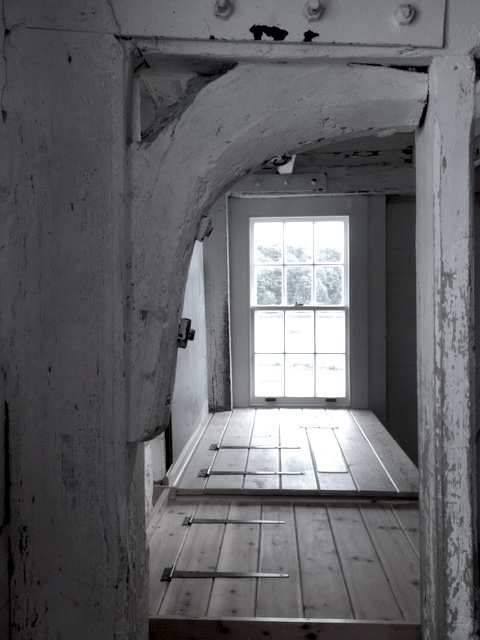
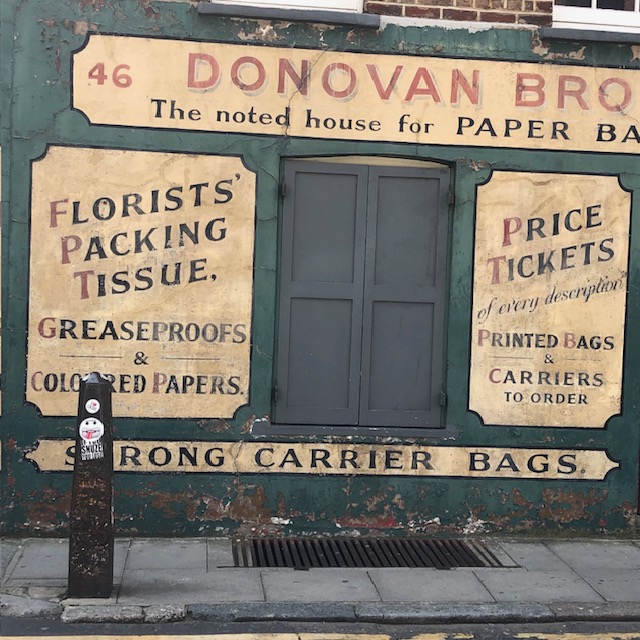
But what if you’re the writer? Been to a few lit fests and been inspired? Need to get those words down? Well now’s the time, and never shy to offer you, loyal reader, a few writing prompts, how about these: how often do you see a shop described as a Noted house for paper bags? Isn’t it wonderful? If you’d like to know more, here’s a link to the website Ghost Signs where you can learn more about it. If you fancy a bit of black and white, try this, taken at one of the UK’s last remaining tidal mills, Woodbridge Tidal Mill in Suffolk.

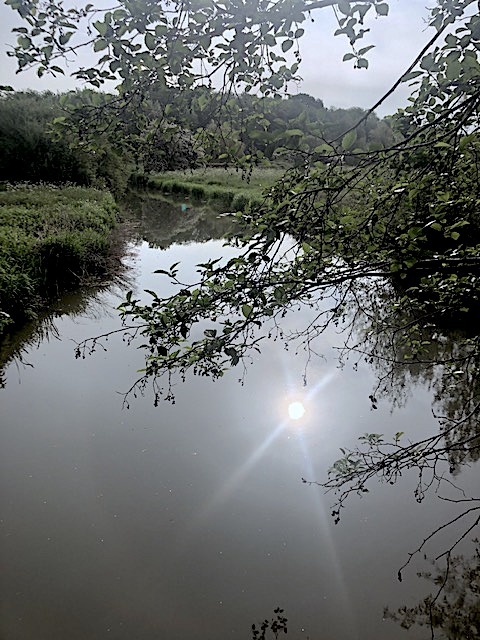
Or maybe this? Early morning sunlight on the River Leam in Leamington Spa. And here, one of my favourites this year, taken somewhere in the Caribbean. And not by me unfortunately! No filters, nuthin.

How about some written prompts then?

Here’re some that may nudge you toward a poem or short story, novel even…

1 The Tunisian sand, warm beneath his feet, shifted slightly as he moved. There, out at sea, he saw something resting on the water…

2 Heat was everywhere. The ground, the walls, the windows, fever-hot and unrepentant. Shadow was in short supply…

3 Midday and the forest air was still. Silently life continued deep underground and in the canopy, but for now, the stillness held an eerie calm…

4 The fight in the street caused little interest. A baby cried somewhere and a desolate dog barked. Ed returned with onions and apples stolen from his local supermarket and his stomach grumbled, hollow and cold…

How To Win A Writing Competition

Or at least stand a chance. Having been the curator and administrator of several writing competitions over the last few years I understand what comp organisers mean when they ask for ‘new voices’ or ‘new ideas’ or ‘fresh perspectives’. What they are politely saying is please don’t send us any more stories on death, divorce, dementia, aged parents, losing children, losing your mind, nostalgia, what you did at school, how the old days were better and absolutely nothing that involves the wearing of rose tinted glasses. Sometimes the old adage write what you know is not necessarily a good thing. The list above is of course a list of life events but does everyone need to read about yours? Or if they do, can you write it in a different way? Can you step out of your comfort zone and write something set in the future for example? Or, if you are sci-fi writer, write an historical piece?

If you enter a lot of competitions but seem to get nowhere, there has to be a reason, right? Do you read previous winners and runner-ups? Can you see the difference in what the winner has written and your entry? Do you have a favourite piece of your own work that you enter in many comps but get nowhere with? Dare I say there has to be a reason for that. I know, brutal, and after all, one judge’s opinion is just that, their opinion – because they didn’t choose you doesn’t necessarily mean they didn’t like your work, they just liked someone else’s more. But there is a good chance that it failed at the first hurdle because the subject chosen was commonplace and there could be fifteen other entries written on the same subject. Do not be so in love with your story that you can’t see its flaws.

A long time ago I read a winning short story about a wake. Oh here we go, I thought. Same old same old. But no. The setting was Belfast in the 1970s and a bomb exploded just outside where the wake was taking place. Consequently nearly all the action of the story took place from a child’s perspective as they hid from the chaos underneath the bier. The story stuck with me because I pre-judged it as being the usual death/funeral story with the usual mourners with no doubt a stereotypical end. And it wasn’t any of those. If the writer is still out there and reading this – your work worked! I can still recall it now, many years later.

I’ve entered a few competitions in the last few months and not reached any longlists, let alone short lists. But it always serves as a good shake to my writing. Simply, write better! I know what I must do.

Tips!

1. Always read previous winners. How many include the life events mentioned earlier? If none, and yours does, maybe think twice before sending it in.

2. Buy anthologies – good ones. Professional writers’ groups and small publishers will print their winning collections and they are a good place to start.

3. Spare a thought for the organisers, readers and judges receiving your work. They are not therapists! Yes, your work can be emotive, but don’t slip into self-indulgence or melancholy.

4. Choose a subject different from your usual choice. Used to be a teacher so feel compelled to write a school-based story? Or a dentist, just itching to write about customers and their teeth? Stand back, take a deep breath, and walk the other way.

5. Ask for beta readers. Ask me, if you like!

6. Here’s a prompt for you: You are in Peru. You see a small artefact on the ground and pick it up. What happens next? 800-1000 words; no life events!

7. Check out unconscious bias – you might surprise yourself.