We Did It!

Here we are!

We did it – our first south Warwickshire literary festival and what a brilliant turn out it was! The sun shone – which was just as well as we had to move our many authors outside to sell their books due to ticket sales.
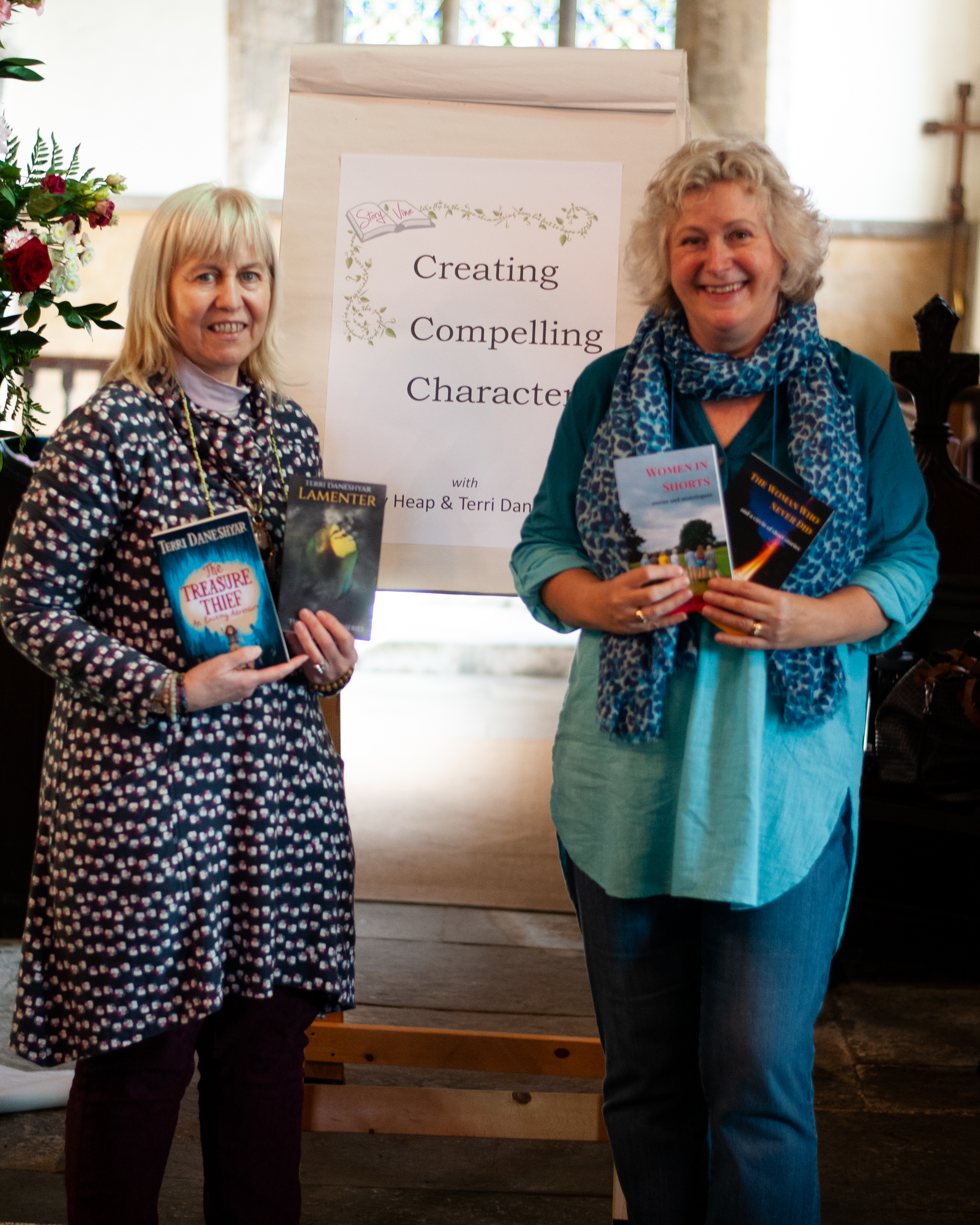
Creating Characters with Terri and Jenefer

Our workshops were packed. Everyone seemed to have a great time and our workshop leaders delivered some fantastic content. All of them are to be commended – Hugo Kerr, Jenefer Heap and Terri Daneshyar, Cate West and last but not least Mslexia judge Audrey Niven. They were superb. From what our attendees told us it was an excellent day.
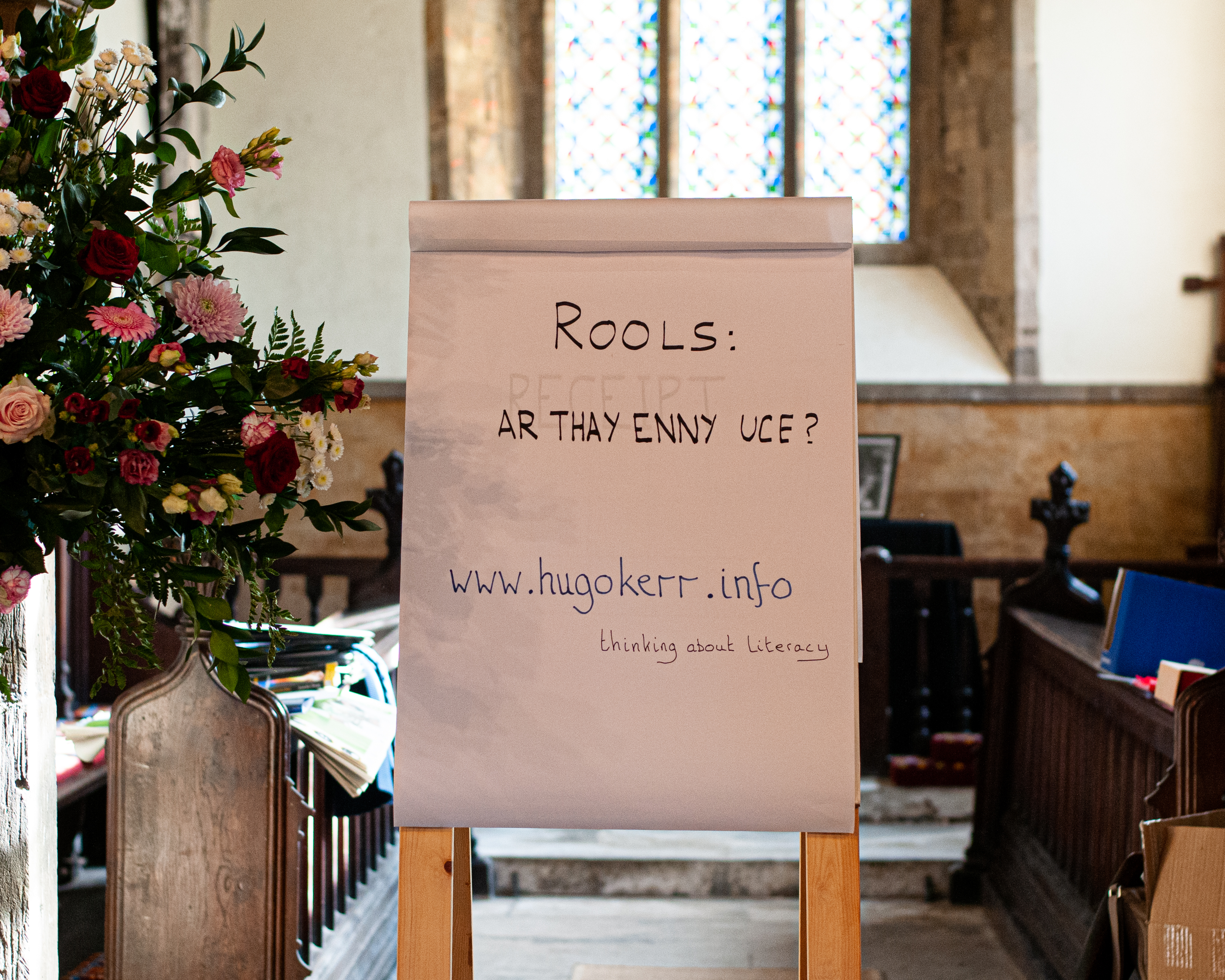
Well, are they?!

And our speakers in the main hall – well! The Young Poets certainly made an impact! We were blown away by their eloquence, observation and just damned talent! Award-winning young poet Emily Hunt drew much attention with her clever poems on nature, and Dan Wale, the Warwickshire Young Poet Laureate had us clapping almost out of our seats, and YPL runner-up Jolyon Summerfield also delighted us with his work.
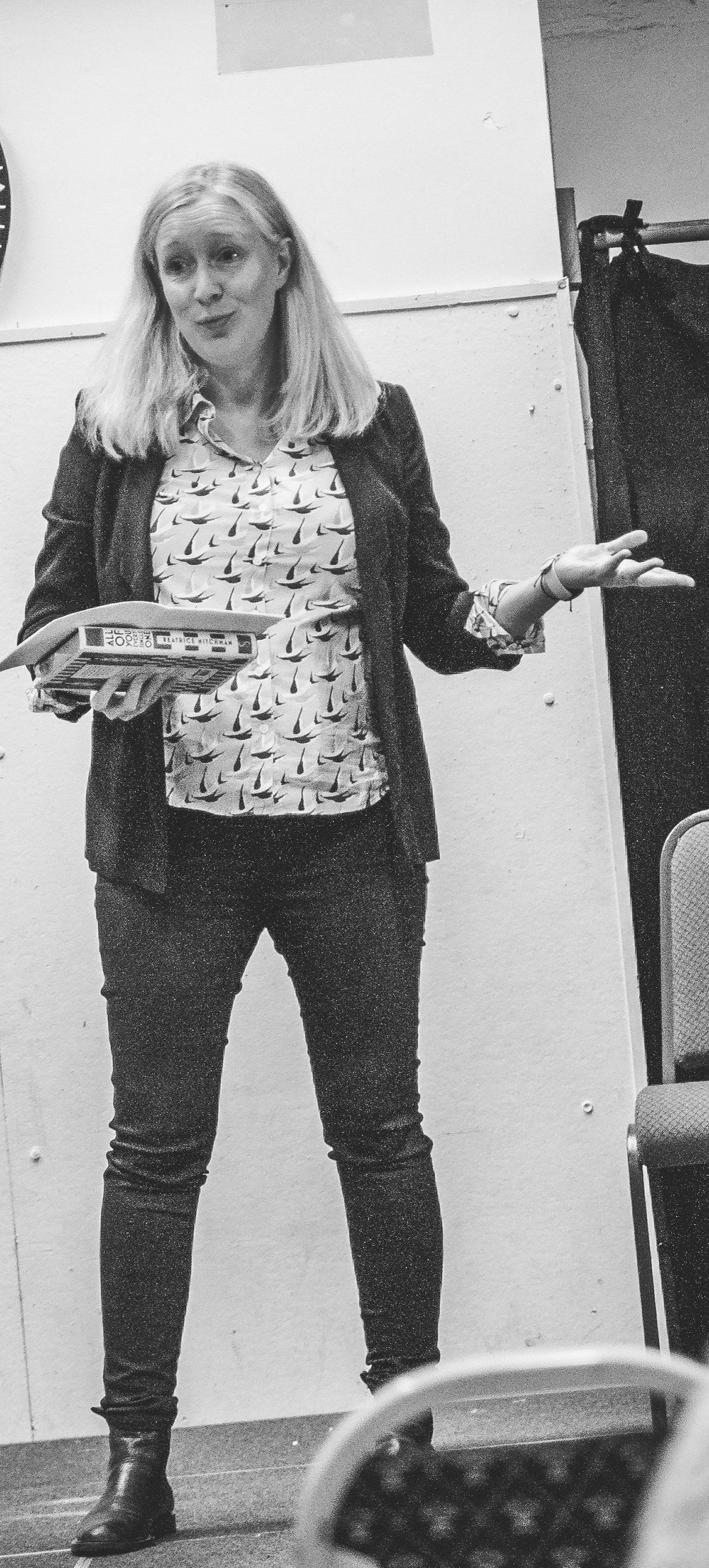
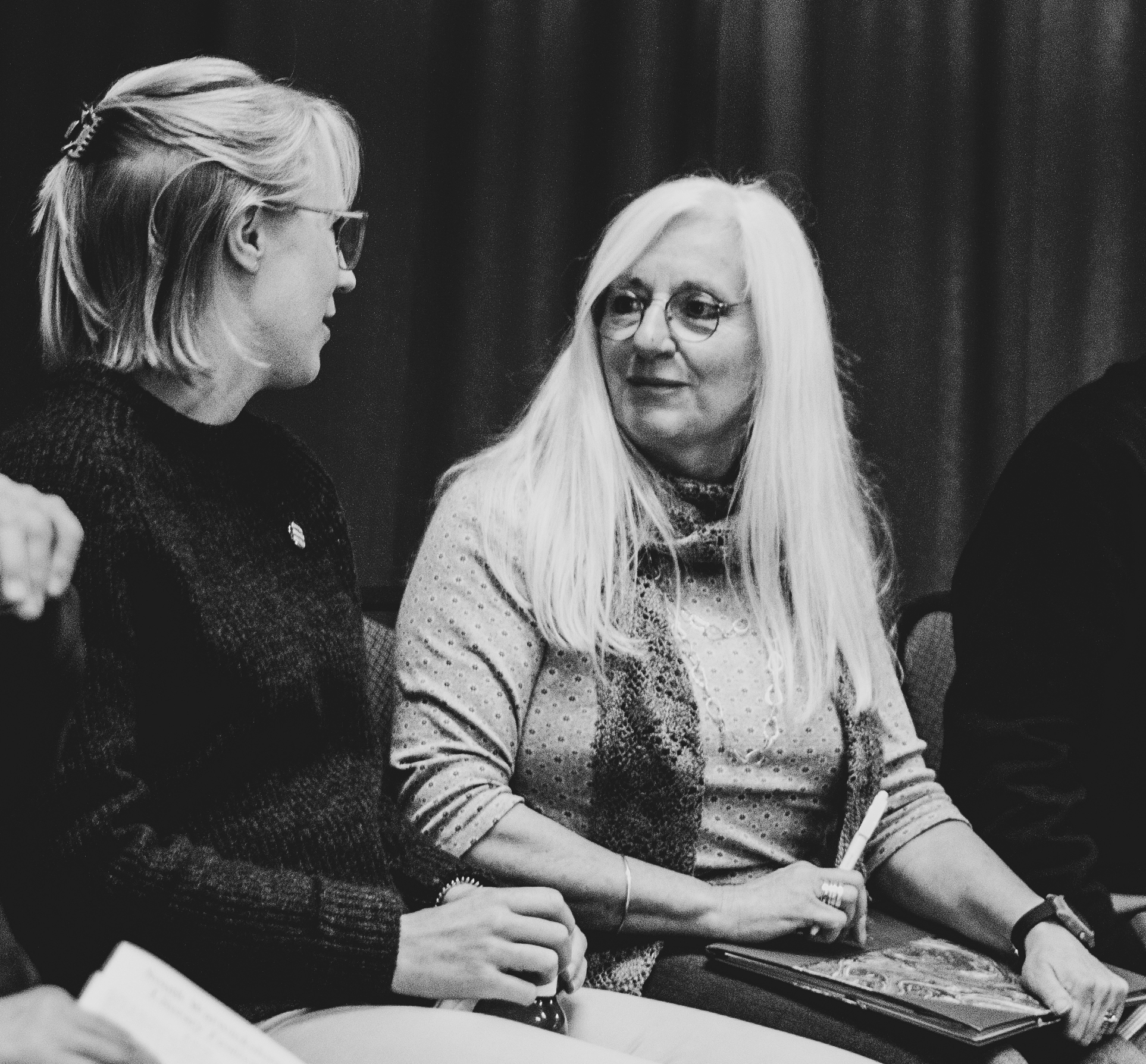
HWA long-lister Author Bea Hitchman
‘The Fish’ author Jo Stubbs and poet Gwyneth Box

All our authors were wonderful and we owe a huge debt to them for agreeing to take part for nothing. A special thank you has to go to poet, author and translator Gwyneth Box who stepped in at the very last minute – Cinderella timing if ever there was any – when one of our speakers was unable to come – and delivered a great hour-long talk off the hoof. Superb stuff.

Oh, and cake? Did we mention that? Well, our lit fest attendees did. In droves! Apparently it was pretty good!

         So – plans for next year? You bet!

Already drawing up the schedule…
like a rock

From the blog of the excellent author and poet Gwyneth Box, with regard to her heroic standing-in at the last minute at the South Warwickshire Literary Festival on Saturday. She was, and is, amazing. Read on!

don't confuse the narrator's avatardon't confuse the narrator

Yesterday, I took part in a local literary festival. Originally, I had been invited to read a short set of poetry during one of the sessions; then one of the speakers was ill so she dropped out, and, at the last minute, I was asked to step in and give a talk. And I do mean the last minute. I got a text message on Friday afternoon to give me advance warning that my help might be needed: maybe I could give a short talk on poetry or translation? I duly rustled up some old notes on the latter and thought about changes I’d need to make so it would suit the audience.

View original post 1,376 more words

How To Create A Literary Festival Part 2

For those who read my previous blog regarding starting a lit fest with just a will and a thought and a maybe, here’s part two to let all you lovely readers know what’s been going on since July. Lists, mainly. Over the weekend I constructed the most recent To Do list, put it aside on Saturday morning to scrape up something red and sticky one of the SWLF cats had gifted me, only to find said list had made it’s way through space and time, reappearing down the back of the sofa on Monday evening. Not far short of fantastical I’d say. Maybe a goblin had squirrelled it off the table when I wasn’t looking and got up to mischief with it, ramming it between the cushions and the soggy Christmas peanuts just for lols.

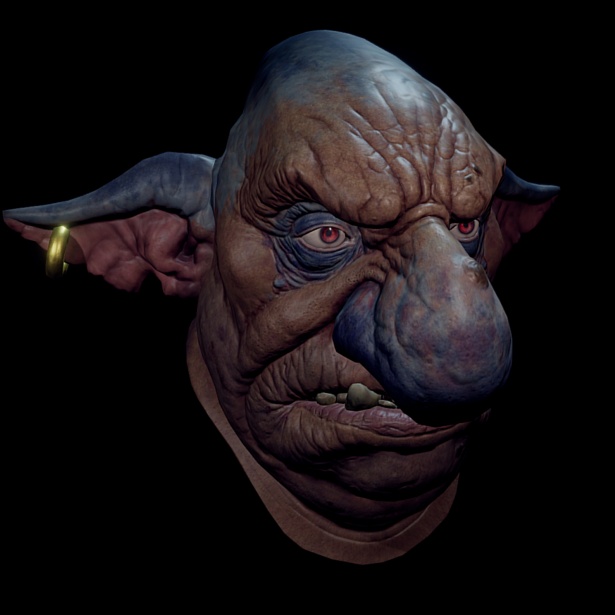
What? You don’t have goblins in your house?

In between writing the list, losing it and then finding it again, lots of things happened at SWLF HQ.  Emails were sent and received. Freebie pens were designed and paid for. A dodgy looking map was created for the back of the festival programme. The merits of cooler weather were discussed with the postman. Twitter posts were written and discarded, then written again and scheduled to hit the twittersphere sometime this week. A surprised ewe was found wandering the village, questioned, cautioned and returned to the flock. Wednesday was spent gawping at the rain and wishing out loud ‘Go on, GO ON!’ as the lightning cracked the sky. And now here we are, Thursday, and back to the list.

            Here are just some of things I’d written down:

  1. Write Press release
  2. Contact radio stations
  3. Contact local newspapers
  4. Update Instagram
  5. Comfrey leaves
  6. Finish copy for festival programme
  7. Try for sponsorship again

Now…nothing very unexpected there apart from item 5. Comfrey leaves. Did I mean something else? Comfy sleeves perhaps? Between trying to write a press release and updating Instagram I am now confounded and sidetracked by my own very obvious comfrey leaves citation. Pick them? Boil them? Make them into a hat? You tell me. Perhaps it was a note that had slipped off my other list about compiling the guidelines for a writer’s group short story competition and somehow landed itself on the SWLF list.

What ever its meaning – which is now unknown to me – I hope I don’t get to the morning of September 24th and hear myself say ‘Oh!!!!!! Comfrey Leaves!’

Hey You! Check this out!

In just over a couple of months time the South Warwickshire Literary Festival will be taking place in the small English village of Fenny Compton.

Why am I telling you this? Well…. wallowing in a dearth of writing inspiration back in January I thought that this was the year I was gonna MAKE THINGS HAPPEN. Was gonna GET OUT THERE and DO IT DO IT DO IT. And so, with the support and help of some wonderful friends and writers the SWLF was born. Apart from the main nuts to be cracked, like finding an actual venue and tempting authors and speakers to take part for zilchio, it has been so far an exhilarating experience. February and March were spent building the website, making list after list after list of Must Dos, Hurry Ups and Urgents and building a following on social media. Spring arrived along with more help and support and now here we are hurtling through the summer with just a little list of things left to organise. Except we all know a week before the event that list will suddenly, inexplicably and somewhat scarily grow overnight to about a hundred and ten things to do. Blimey O’Reilly.

The event, in case you’re wondering, is on Saturday 24th of September, in Fenny Compton Warwickshire. It’s free to attend and we have some fab workshops on offer. Notice how I slipped in ‘we’ there? (double-checked the spelling of that sentence). Myself and two other authors, Jenefer Heap and Lynn Macwhinnie are braving their chances with me and this dream team is wonderful to work with.

As well as running workshops on Grammar – what’s that all about? and Creating Characters, we have some great authors speaking about and reading from their work, an author Q&A session and we’ve also only gone and nabbed some incredible poets, including the Warwickshire Young Poet Laureate. How’s that for pzazz!

It’s gonna be fun. It’s gonna be good. It’s the South Warwickshire Literary Festival. Doors open 10am.

take a closer look

don't confuse the narrator's avatardon't confuse the narrator

I’ve been looking at flowers this week.

In particular, I’ve been looking at white flowers. And even more specifically, I’ve been looking at small white flowers.

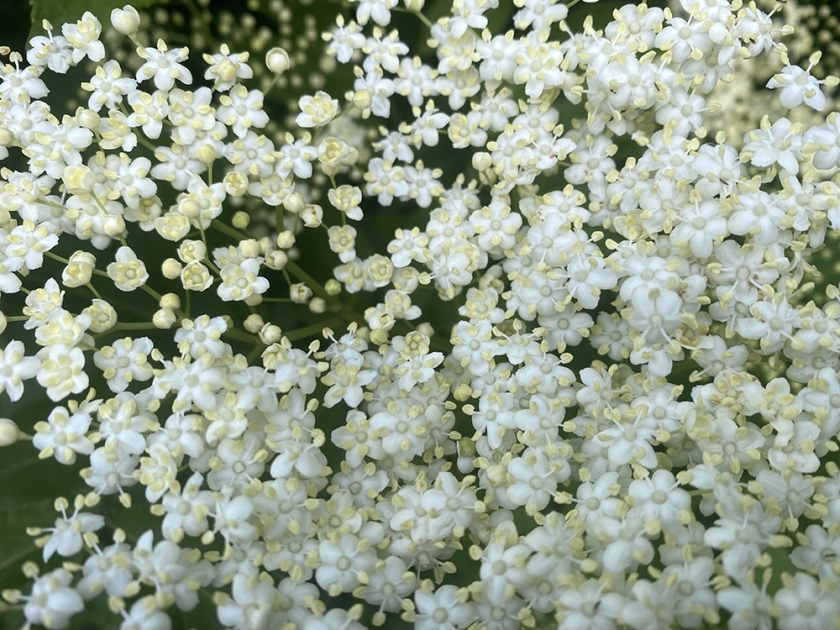
I haven’t identified them all but the photos here are examples of these small white flowers. Except for the duplicate of elder flowers that heads up the post, they are all different species.

Small white spring flowers on shrub

I know that I’ve seen elder blossom and guelder roses. And I think perhaps some of the small white flowers on shrubs are cotaneaster blossom.

But quite whether the wild umbellifers are cow parsley or hogweed, or something else entirely, I may never know.

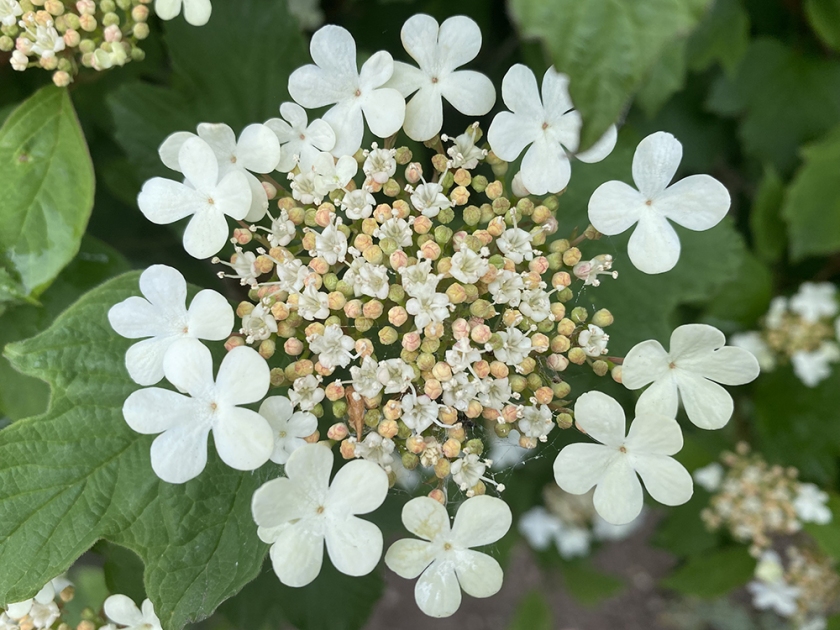
Guelder rose flowers

I’ve also been looking back through old notebooks and found some notes I wrote when I did a writing and mindfulness workshop some years ago and we were told to

“Try to see something new in the familiar things.”

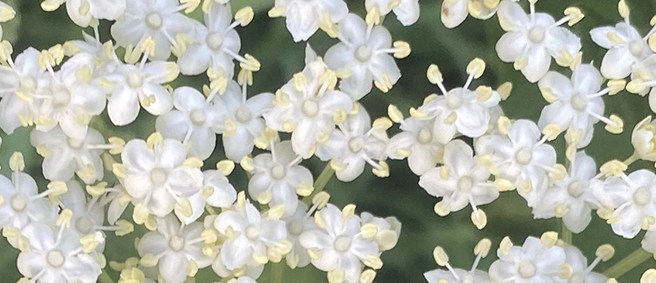
Elder flowers

More than that, we were encouraged to

“Think…

View original post 154 more words

Something About April

There’s just something about April, dontcha think? Is it gonna be warm? Is it gonna be cold? Is the sun gonna shine? When will it be summer? As I write, despite the horror news of the world burning to a crisp by Christmas it is quite actually properly April out there. You know the kind of thing here in the northern hemisphere, first bit of sun and we all rush outside like idiots getting sunburn while complaining it’s still chuffing cold, or migrating to the pub to quaff vast amounts of ale/cider/gin/something fizzy because it is SUMMER AND THAT’S WHAT WE DO only to discover that as soon as the sun goes down we return to winter and a halter-neck and flip flops just won’t cut it.

But why this nonsense about the weather? How about this is why we should include the weather in our writing:

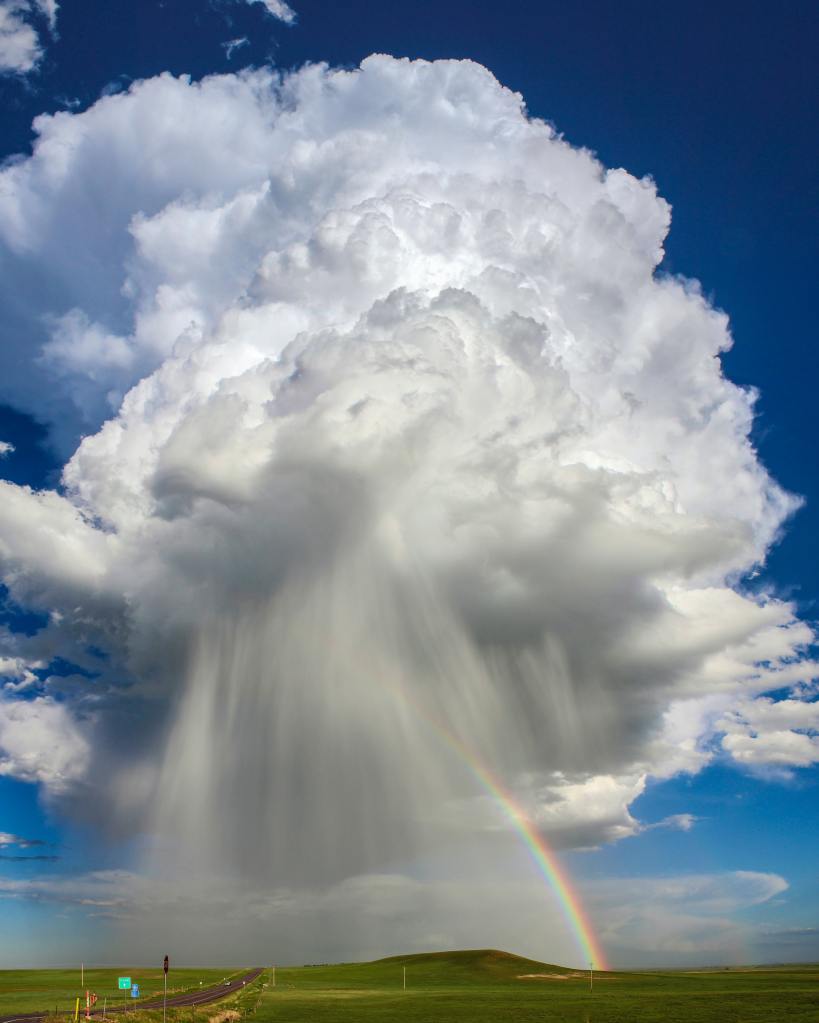
Thanks NOAA at Unsplash for this great picture

‘On the fifth day, which was Sunday, it rained very hard. I like it when it rains hard. It sounds like white noise everywhere, which is like silence but not empty.’ – Mark Haddon, The Curious Incident of the Dog in the Night Time

or

‘It was one of those March days when the sun shines hot and wind blows cold: when it is summer in the light, and winter in the shade.’ Charles Dickens, Great Expectations.

There was once a school of thought that suggested writing about weather in our work was dull. B Or Ing. Something we shouldn’t do if we wanted to keep our readers engaged. No one wants to read about the sunshine pouring in through the window or the rain battering the door we were told. Why ever not? I think one of the most important elements of a novel or short story or even flash, is, if applicable to the plot, the weather. It can set a mood, break a mood, and is as important a plot device as any of the others. Thrashing storms have to be thrashed out on the page to bring them to life. Simply saying there was a horrible storm at sea and the ship nearly sank doesn’t creative many waves, does it? So bring on the weather.

With climate change and the heating of the Earth many authors are turning their skills to writing cli-fi, much of it not fiction at all, so it looks like the weather in our writing is well and truly here to stay. But not in the way authors 50 years ago expected I guess.

Is cli-fi speculative? Can be. Dystopian? If you want. Utopian? Up to you. But all of it deals with the human fallout of a warming planet.

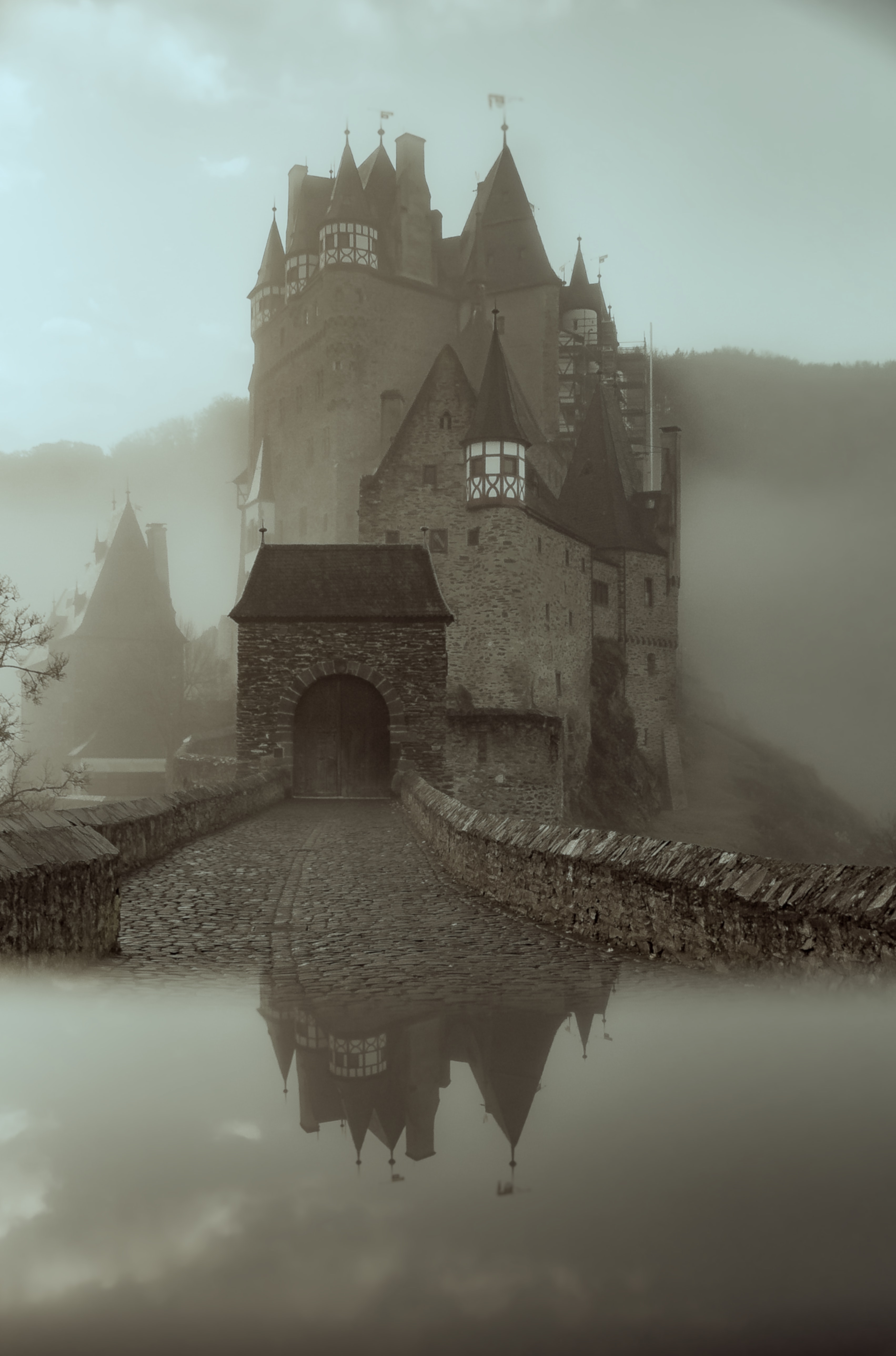
Climate Fiction: sounds like 21st century gothic horror to me.