Six Tips For Scary Writing

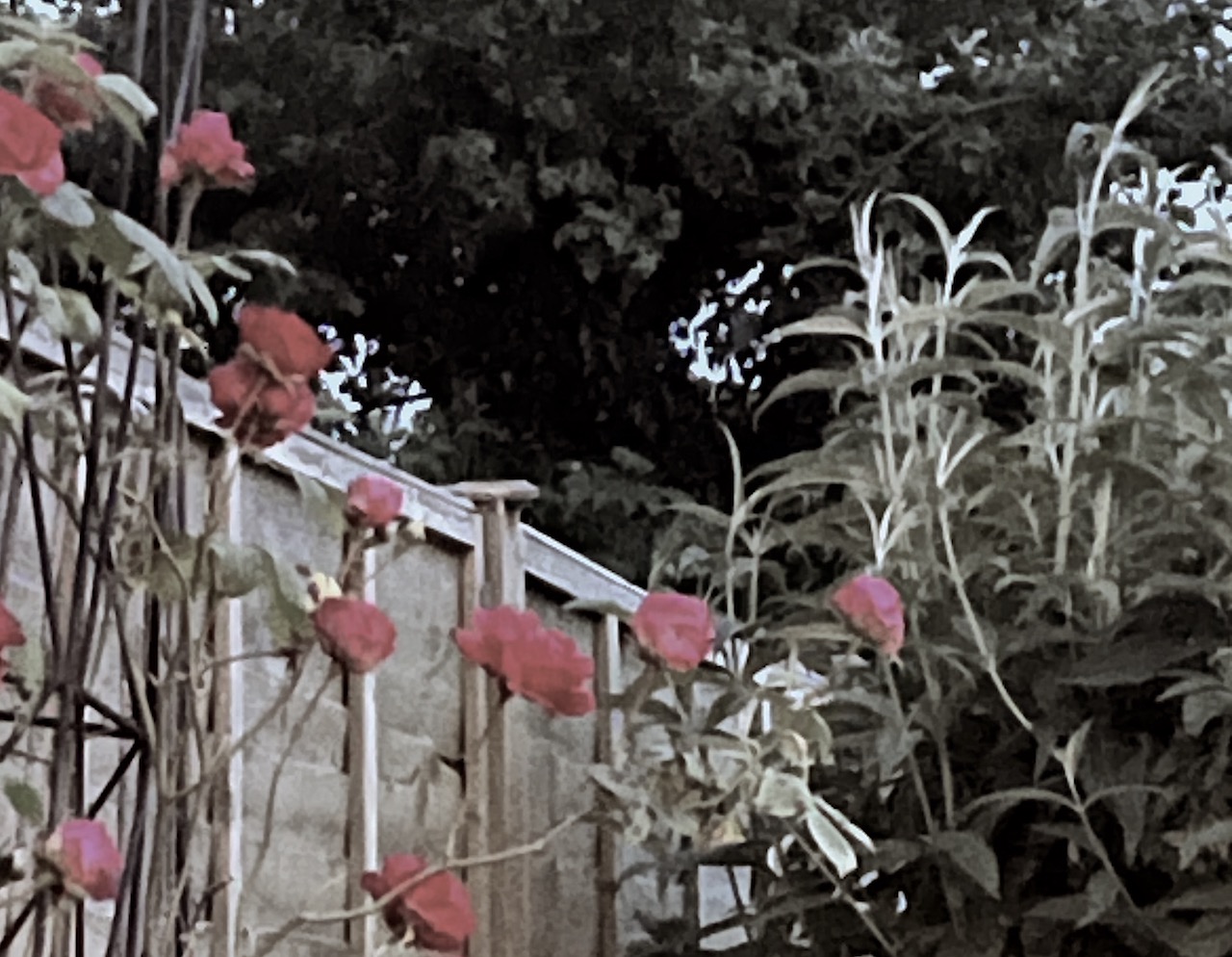
Take a look. What do you see? Nothing much? Or a giant googly-eyed monster looming out of the darkness over this fence?
Horror writing. The best is all in the detail. Or lack of it. Let the reader use their imagination, let them see things through your words. Sounds easy, right? Well we all know it’s not. How to create tension, how to get the reader hiding – metaphorically – under the bed. How how how. As a horror/ghost story lover since childhood I’ve tried so many times to write a really good ghost story. Wrote, edited, believed. Set it aside. Went back several months later and howled like the proverbial wolf man with laughter at just how awful it was. The trick, as I understand it, is to leave the reader with a feeling that either a thin trickle of cold water is dripping down their back or a merest touch from a ghostly hand has just brushed their neck. Right. I’ll get on it then. Sounds so eeeeeeasy.

What do we need?

  1. A creepy setting. Could be a grave yard but that is sooo yesterday. Unless it’s a modern grave yard. What is a modern grave yard? (cue internet search for 21st century funerals)
  2. Odd characters. The sort that appear unexpectedly and look just a bit…y’know… deranged in an unthreatening kind of way – until it’s too late
  3. A mystery. Take your pick. A mystery sound. A mystery sighting. A mystery smell. A mystery person. A mystery mystery…. you get the idea.
  4. An unexpected and clever twist. Unexpected and Clever? Jeez. Not making this easy.
  5. A monster. Or unexplained creature. Like a googly-eyed monster leering over a fence. Just sayin.
  6. And, I suppose, knowing what it is people are scared of these days. There’s enough ghost hunter footage out there that tells us we are still afraid of the paranormal, because now, we could say – and I’m just putting it out there – it could actually be real. Which is scarier: the ghost idea or the concept that it is real?
Something About April

There’s just something about April, dontcha think? Is it gonna be warm? Is it gonna be cold? Is the sun gonna shine? When will it be summer? As I write, despite the horror news of the world burning to a crisp by Christmas it is quite actually properly April out there. You know the kind of thing here in the northern hemisphere, first bit of sun and we all rush outside like idiots getting sunburn while complaining it’s still chuffing cold, or migrating to the pub to quaff vast amounts of ale/cider/gin/something fizzy because it is SUMMER AND THAT’S WHAT WE DO only to discover that as soon as the sun goes down we return to winter and a halter-neck and flip flops just won’t cut it.

But why this nonsense about the weather? How about this is why we should include the weather in our writing:

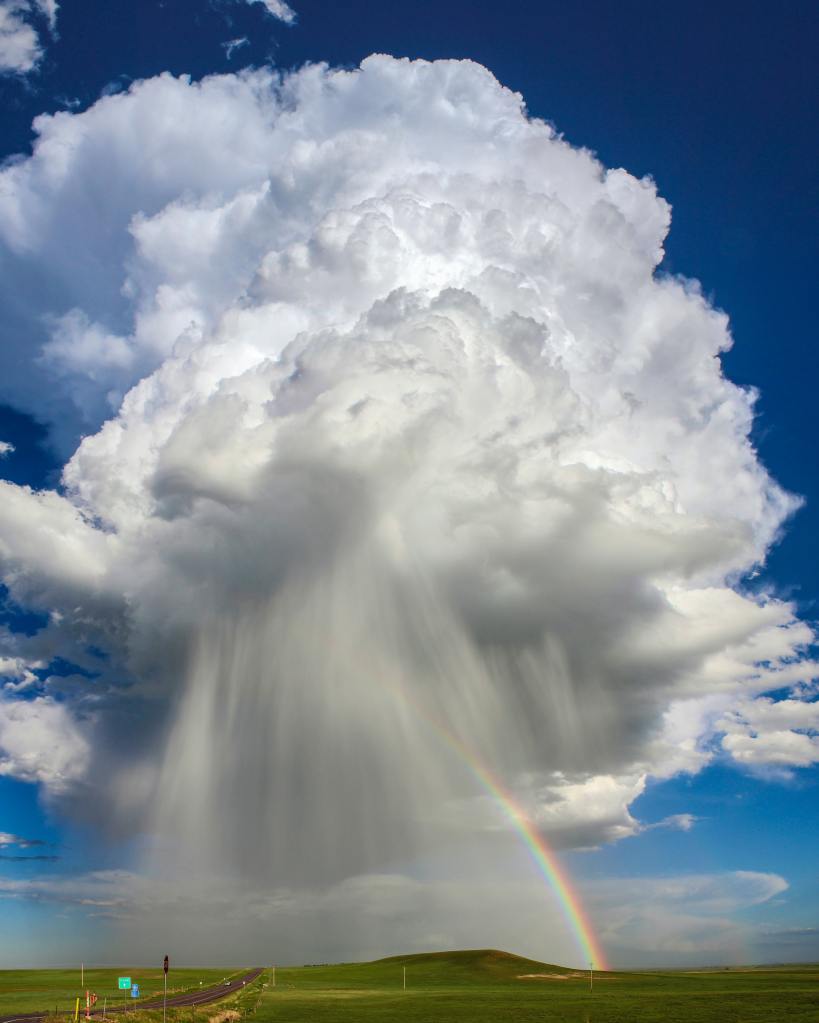
Thanks NOAA at Unsplash for this great picture

‘On the fifth day, which was Sunday, it rained very hard. I like it when it rains hard. It sounds like white noise everywhere, which is like silence but not empty.’ – Mark Haddon, The Curious Incident of the Dog in the Night Time

or

‘It was one of those March days when the sun shines hot and wind blows cold: when it is summer in the light, and winter in the shade.’ Charles Dickens, Great Expectations.

There was once a school of thought that suggested writing about weather in our work was dull. B Or Ing. Something we shouldn’t do if we wanted to keep our readers engaged. No one wants to read about the sunshine pouring in through the window or the rain battering the door we were told. Why ever not? I think one of the most important elements of a novel or short story or even flash, is, if applicable to the plot, the weather. It can set a mood, break a mood, and is as important a plot device as any of the others. Thrashing storms have to be thrashed out on the page to bring them to life. Simply saying there was a horrible storm at sea and the ship nearly sank doesn’t creative many waves, does it? So bring on the weather.

With climate change and the heating of the Earth many authors are turning their skills to writing cli-fi, much of it not fiction at all, so it looks like the weather in our writing is well and truly here to stay. But not in the way authors 50 years ago expected I guess.

Is cli-fi speculative? Can be. Dystopian? If you want. Utopian? Up to you. But all of it deals with the human fallout of a warming planet.

Climate Fiction: sounds like 21st century gothic horror to me.