Writing Ideas and Picture Prompts

Summer is often the time, if you’re not working and have the opportunity, to rest the mind and sink into the world of books. Summer reading is always a big thing, with bookshops doing their best to tempt you with beach reads and not-to be-missed novels. Shop windows will be magnificently dressed to entice you in. Maybe offers of coffee and comfy sofas too will be positioned near to the door offering you the chance to nip in to browse then nab a book or three.

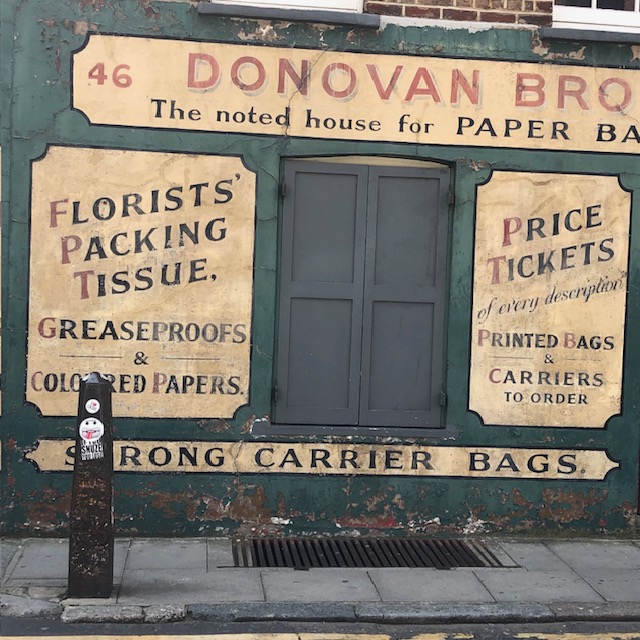
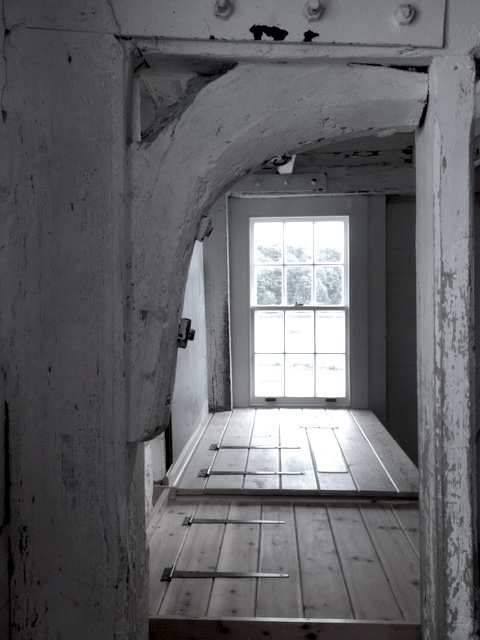
But what if you’re the writer? Been to a few lit fests and been inspired? Need to get those words down? Well now’s the time, and never shy to offer you, loyal reader, a few writing prompts, how about these: how often do you see a shop described as a Noted house for paper bags? Isn’t it wonderful? If you’d like to know more, here’s a link to the website Ghost Signs where you can learn more about it. If you fancy a bit of black and white, try this, taken at one of the UK’s last remaining tidal mills, Woodbridge Tidal Mill in Suffolk.
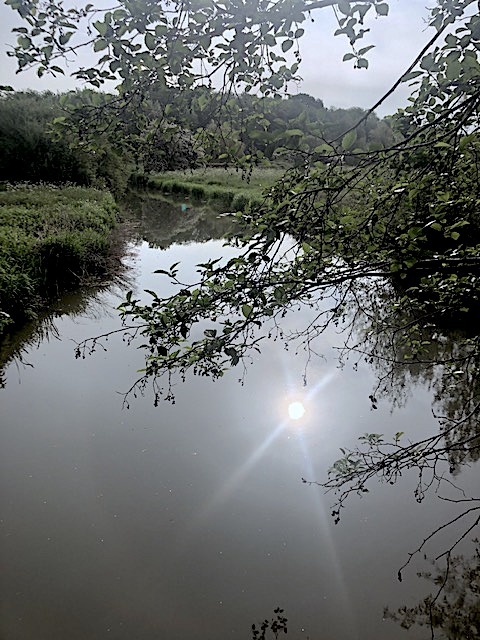
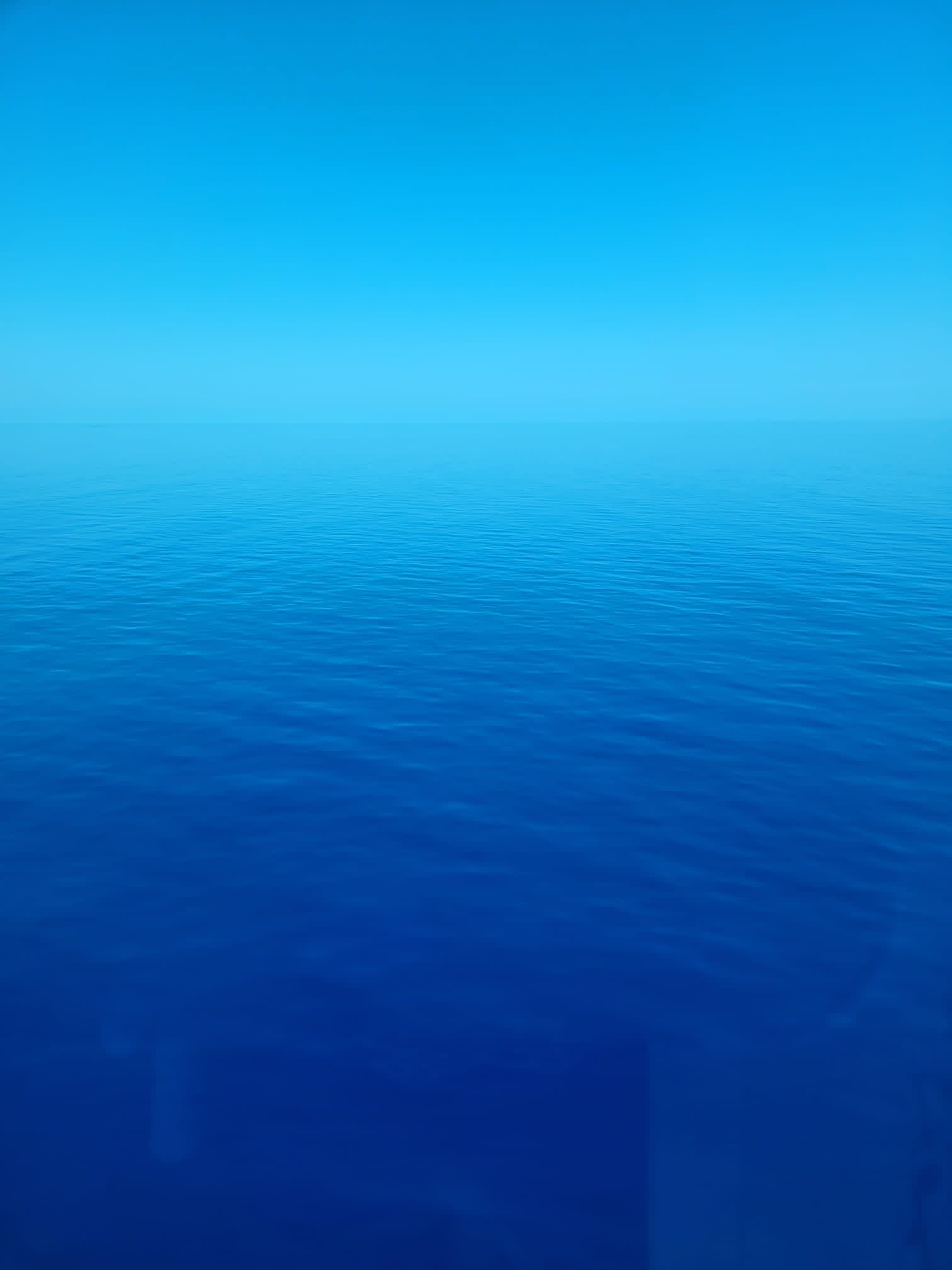
Or maybe this? Early morning sunlight on the River Leam in Leamington Spa. And here, one of my favourites this year, taken somewhere in the Caribbean. And not by me unfortunately! No filters, nuthin.
How about some written prompts then?

Here’re some that may nudge you toward a poem or short story, novel even…

1 The Tunisian sand, warm beneath his feet, shifted slightly as he moved. There, out at sea, he saw something resting on the water…

2 Heat was everywhere. The ground, the walls, the windows, fever-hot and unrepentant. Shadow was in short supply…

3 Midday and the forest air was still. Silently life continued deep underground and in the canopy, but for now, the stillness held an eerie calm…

4 The fight in the street caused little interest. A baby cried somewhere and a desolate dog barked. Ed returned with onions and apples stolen from his local supermarket and his stomach grumbled, hollow and cold…
Something About April

There’s just something about April, dontcha think? Is it gonna be warm? Is it gonna be cold? Is the sun gonna shine? When will it be summer? As I write, despite the horror news of the world burning to a crisp by Christmas it is quite actually properly April out there. You know the kind of thing here in the northern hemisphere, first bit of sun and we all rush outside like idiots getting sunburn while complaining it’s still chuffing cold, or migrating to the pub to quaff vast amounts of ale/cider/gin/something fizzy because it is SUMMER AND THAT’S WHAT WE DO only to discover that as soon as the sun goes down we return to winter and a halter-neck and flip flops just won’t cut it.

But why this nonsense about the weather? How about this is why we should include the weather in our writing:

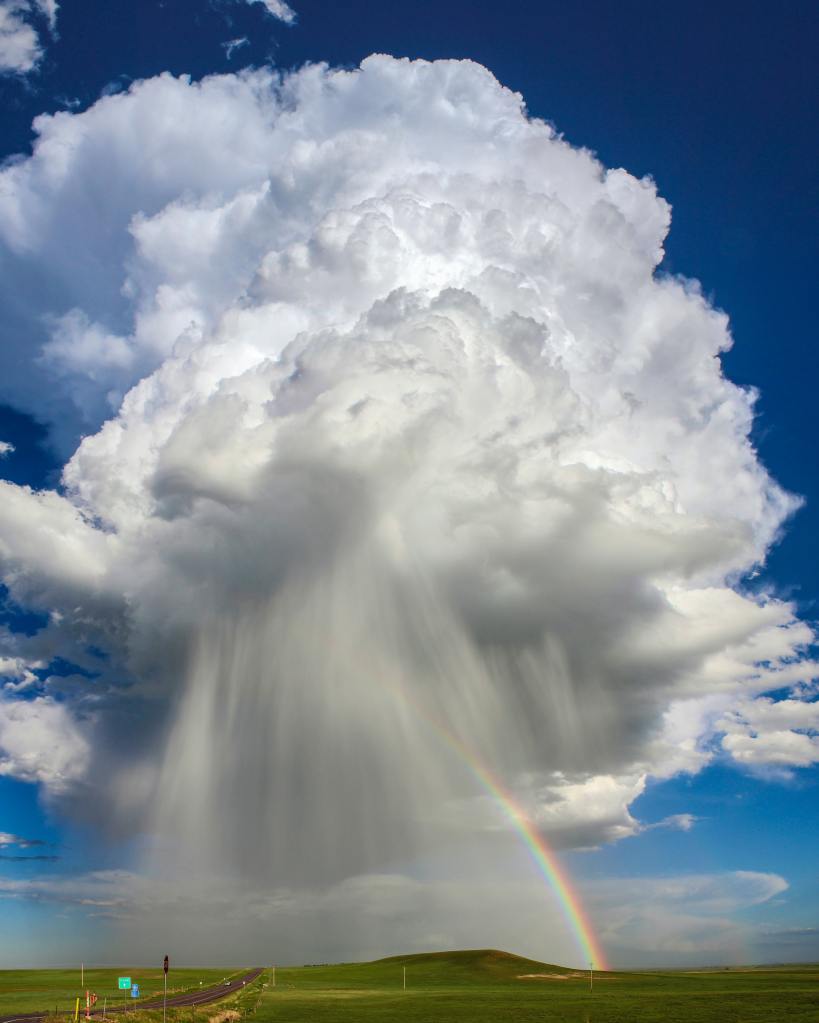
Thanks NOAA at Unsplash for this great picture

‘On the fifth day, which was Sunday, it rained very hard. I like it when it rains hard. It sounds like white noise everywhere, which is like silence but not empty.’ – Mark Haddon, The Curious Incident of the Dog in the Night Time

or

‘It was one of those March days when the sun shines hot and wind blows cold: when it is summer in the light, and winter in the shade.’ Charles Dickens, Great Expectations.

There was once a school of thought that suggested writing about weather in our work was dull. B Or Ing. Something we shouldn’t do if we wanted to keep our readers engaged. No one wants to read about the sunshine pouring in through the window or the rain battering the door we were told. Why ever not? I think one of the most important elements of a novel or short story or even flash, is, if applicable to the plot, the weather. It can set a mood, break a mood, and is as important a plot device as any of the others. Thrashing storms have to be thrashed out on the page to bring them to life. Simply saying there was a horrible storm at sea and the ship nearly sank doesn’t creative many waves, does it? So bring on the weather.

With climate change and the heating of the Earth many authors are turning their skills to writing cli-fi, much of it not fiction at all, so it looks like the weather in our writing is well and truly here to stay. But not in the way authors 50 years ago expected I guess.

Is cli-fi speculative? Can be. Dystopian? If you want. Utopian? Up to you. But all of it deals with the human fallout of a warming planet.

Climate Fiction: sounds like 21st century gothic horror to me.

Eyeing-Up The #Competition

And here we go again! Another year of ideas, of writing, editing, networking. From October last year I began entering all sorts of competitions; short story, flash, meet the agent, pitch your novel, win a basket of kittens etc etc.  In the week before Christmas I received a rejection a day, Monday through to Friday. A No Thanks. A Not Today. A what-some-like-to-call Rejection of my work every single day for a week. Fine. Have it your way I thought. But after a quick sulk and an hour on Twitter looking at large cats squashing themselves into small boxes and dogs pretending they hadn’t been caught emptying the kitchen bin I decided that my work hadn’t be rejected, but declined. That made me feel better. And it’s true isn’t it – one competition judge’s decline is another’s accept, so that’s what I’m going into the New Year with – positivity.
There are lots of competitions out there at the moment. Big ones, little ones, short ones, long ones, international and closer to home ones. So let’s get going! Tinsel and tat long gone, let’s get on with the business of boosting your writing and confidence by entering some. Here are my top tips:

1 – and I never thought I’d ever say this – get yourself a spreadsheet and list what you’ve sent, where you’ve sent it, when the results day is and what the process will be – ie winner notification, shortlisters posted on the competition website etc etc. Dull as it may sound, having a spreadsheet will help. Trust me. Seeing how many comps you’ve entered keeps you on track

2 Go for ones with good prizes, not just ‘and you’ll get published on our website’, good as they may be. Go for something really worth writing for, like a decent cash prize, a presentation (ie a chance to network) and possibly publication

3 Try to enter two or three a week

4 It can get expensive so look for some free to enter comps

5 Share the opportunities with others – FB, Twitter, in person. What goes around comes around my friend.

Here’s six of the juiciest I’ve found this week: (but there are loads and loads out there!)

1 The Chipping Norton Festival ChipLit Short Story Comp 2020 – closes 8thFeb

2 Retreat West – The Retreat West Novelette-in-Flash Prize 2020. Word count for this competition is 8000 words. The narrative arc should be made up of standalone flash fiction chapters of up to 500 words each. Deadline May 31st, £10 entry fee https://www.retreatwest.co.uk/novelette-in-flash-prize/

3 The Fiction Desk – Ghost Story (always a favourite) £3 entry fee, deadline 31 January 2020. Theme: Ghosts Across Borders
https://www.thefictiondesk.com/submissions/ghost-stories.php

4 Bath Flash Fiction Award Maximum length is 300 words excluding title https://bathflashfictionaward.com/ ClosesMidnight February 16th 2020

5 The 2020 Bristol Short Story Prize in association with Tangent Books, is open for entries from writers all around the world

6 And if you’re looking to stretch your writerly muscles, why not write for someone else? That no-nonsense gang of writers down west, Writers HQ, are looking for people to write their blog occasionally. Nothing ventured, nothing gained…
https://writershq.co.uk/write-for-us/

Meeting Mike Gayle

On Wednesday I was lucky enough to be the in the audience for an evening of author talk with the very open and interesting multi-novellist author Mike Gayle, his editor Nick Sayers of Hodder and Stoughton, hosted by independent book shop Kenilworth Books which is based in Warwickshire, slap bang in the heart of the UK.
If you haven’t been to one yet but get the chance to attend an evening where an author talks about their process, their history, their long journey to publication, then I thoroughly encourage you to go. One of the most useful nuggets we came away with was the need for planning. No, not the sort of planning that involves three cups of coffee, a cuddle with the cat and a wander outside for ‘a bit of fresh air’ with a notebook doing absolutely nothing, but the sort of proper planning that involves – and get this wannabe authors – writing a two line synopsis for every chapter of your book. My friend said to me afterward of a masterpiece she is working on ‘that’ll be why I haven’t finished my book – I have no idea what’s going on.’
I’ve never thought about doing a chapter by chapter synopsis. I’ve done actual planning for an entire novel only to find the end result is nothing like I’d thought – nay planned – it would be. Odd how that happens. One person asked about ‘the muse’; does it ever strike? No, was Mr. Gayle’s definite answer. For muse read procrastination. True. But what if you’re not in the creative zone busy carving out characters that live in a whole new world created by you? Short answer – edit. Stop being all arty farty and get brutal instead. Get out your scalpel and trim trim trim trim. And I don’t mean your beard, my furry faced friend. Amputate your adjectives and ditch those descriptors! Squeeze out the fat and get to the muscle beneath, and when you’ve done that, you may see the bare bones of the story (I’m sensing a theme here…). It’s good to edit. But then of course, you have to know how to. There’s a big difference between changing your mind about something you’ve written ‘I don’t like that bit. I’ll change his jumper to blue’ and proper editing. How about not mentioning the jumper at all? Chekov’s Gun and all that. And that of course is where Nick Sayers’ insight was invaluable. How do you know what even needs editing? someone asked. Well, ‘you just do’, was the answer. Clunky dialogue, confusing/boring/pointless sentences/paragraphs/chapters will stand out to an expert, which is why they are experts at what they do. Midwives, really, helping the author deliver what the author thinks they want to deliver; what they had planned in those two-line chapter by chapter synopses.
And talking of which – I sent off some work to a very well known agency recently:
‘send both synopsis and the first 3000 words of your novel in one document only.’ Well that’s easy enough. I can do that. Edited the work in question, added it to the same document as the pain-stakingly created, written, revised, rewritten 3 page synopsis and pressed send. God they’ll think I’m brilliant.
And then I saw that little teeny weeny bit that said ‘send a synopsis of no more than a page…’

Should have edited properly, shouldn’t I.

Five Tips on Writing Characters

Having a bit of a blank when it comes to writing a character? Can’t quite get into their head? Worry not. It’s easy peasy lemon squeezy really. By using one of your best writer’s skills – Observation – you’ll see your characters are all around, fully formed and perfect for harvesting. Reading The Metro recently I was delighted to find five fully-formed characters staring at me from the page, ready to be gathered together like spring flowers and plopped into a novel. Let me share them with you:

Shy Blonde In Red Coat
Very Shy Girl
Brunette With Light Blue Eyes
Rachel The Sleepy Blonde
and my absolute favourite,
The Sweaty Guy With A Runny Nose.

All these are love-lorn commuters looking for love through The Metro’s Rush Hour Crush. So, a sweaty guy with a runny nose. Sounds better than Plague Victim I guess, but what a base to build a character on. Had he been running in cold weather? Or was he ill? On drugs maybe? Blond or bald?  For Shy Blonde read Assassin for sure, and Brunette with light blue eyes – well, not necessarily a woman is it?

Another place to find a character, even if you’re not especially looking for one, is at an event. Last week I was at a Jaguar Car Heritage Day at Blenheim Palace – not my usual entertainment for a Sunday but it’s good to do something you wouldn’t naturally do – and there he was. The Character I had a name for but not an appearance. I have a character that is not a nice person, but I didn’t want him to be a characterisation of a bad person – he has to be real. And there he was, right in front of me.

Picture the scene: millions of pounds worth of vintage cars, polished and buffed to within an inch of their historic automotive lives, surrounded by fans and enthusiasts – mainly dressed in beige slacks and leather shoes or designer jeans and trainers – when into my view swaggered a cigarette smoking man of about 45. Hair still dark, long to his collar and in which he’s parked his sunglasses, designer jeans – but with the hems trodden down at the back, scruffy around the pockets, wearing a jacket that didn’t match nor fit especially well and fraying slightly on one sleeve. He loped around a few of the cars, dropped his shades over his eyes and stood against a low wall for a while. He seemed distracted – he could have been waiting for a bus – but I knew straight away he was the character in my next short story. Gotcha. See – easy peasy lemon squeezy.

How To Make Them Real:

1 Observation. Always. Look closely, if you can; observe the shoes, the hair, the hands that serve you that coffee.
2 Short snippets in newspapers or online. The small bits that are used for fillers are often the gold nuggets where you’ll discover your characters
3 Amalgamation Jigsaws. Take the best of worst of lots of people you know or are in contact with. Squish ‘em together, make a character. I call this my Frankenstein Character – they don’t all turn out to be monsters!
4 Animals. This way of creating a character is usually done when the moon is full and the creative juices have gone off-piste for a bit, but you can have a lot of fun doing it. Old dog, limps slightly due to hip trouble, a bit deaf, square hairy face, independent spirit,
or,
Old man, limps slightly due to hip trouble, a bit deaf, square hairy face, independent spirit. You get the idea.
5 Start with the name. A woman called Star, for example. What would she do? Singer? Librarian? Full-time Mum? Make a list – I love excel for this* – create names in one column, profession/job/life direction in another. Match up as your instinct tells you. Then ignore that instinct and match up differently. Maybe Colin in Accounts becomes Colin the professional tennis player by day and drag queen by night. Up to you. 

Try this fella for size…andrii-podilnyk-1060018-unsplash.jpg
photo by Andrii Podilnyk
on Unsplash


*note to self. Out. More. Get.

Wolf

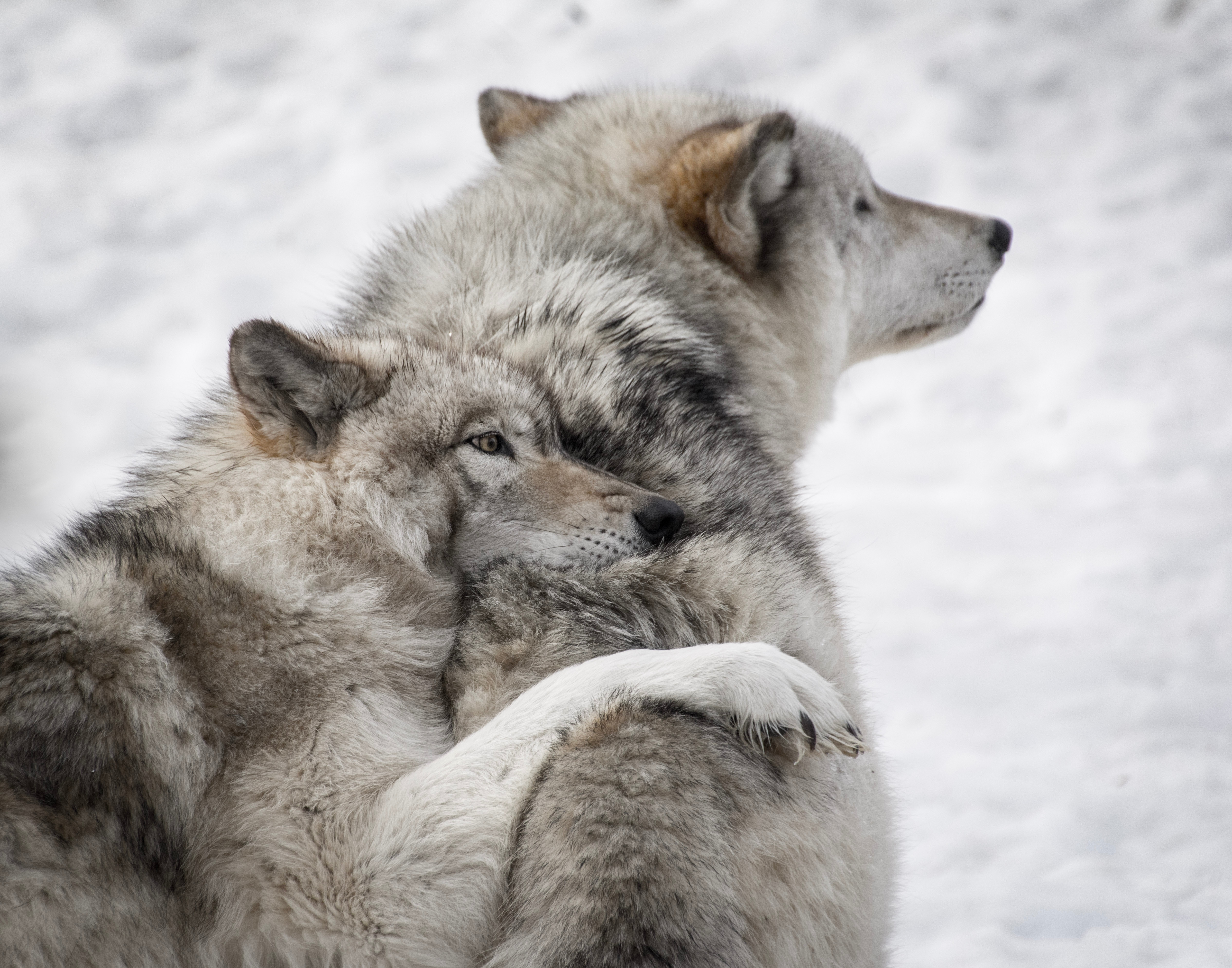
What is it about the word ‘wolf’ that conjures up so much mischief? Hilary Mantel’s book Wolf Hall has, in my humble, one of the best titles for a book ever. Yes I know she didn’t make up the title – who but the Tudors would name their homes so? Houses of the nineteenth and twentieth centuries were bestowed more pastoral names such as Sunnyside, Rose Cottage, Orchard View; no lupine references there to warn any visitor ofyannick-menard-1272925-unsplash the ambience of the place. Forget entering the lion’s den – the mere assonance of the words wolf and hall tells you all you need to know. In literature, as we know, the wolf has done a marvellous job securing a place in folklore – whether for good or ill – there’s the favourite, little red and all her trials and traumas; that sneaky double-dealer the wolf in sheep’s clothing, Peter and his wolf, which has a sort of nice ending – the wolf doesn’t end up brown bread, but he is wolfnapped and put behind bars in a zoo. Then there’re those house-building pigs and their nuisance neighbour who wanted to puff their properties down, and indeed, thanks to Aesop, the attention-seeking little boy who couldn’t help himself and kept crying ‘wolf!’ until one day there really was a wolf and…well…we all know what happened then, plus any number of other wolfie-related stories, sayings and poems littered through history and literature. ‘Holding the wolf by the ears’ is a great metaphor for things being a bit tricky, and keeping ‘the wolf from the door’ has a delicious medieval ring to it, sounding much better than ‘too much month left at the end of the pay packet’. The most up to date wolf story I found this week (although it may well be old news by the time you’re reading it) is about the young wolf who got himself stuck in a freezing river but thankfully was rescued. Except the rescuers didn’t know what they were rescuing – imagine being in a car with a cold and grumpy wolf across your lap, taking the scenic route to the vet. Dodgy. But it is a heartwarming story, so here it is, courtesy of the BBC.

The wonderful photo above is by Yannick Menard, freely published on Unsplash. Thank you Mr Menard
@yannickmenard

https://www.bbc.co.uk/news/world-europe-47330924

And now a poem by Richard Edwards
taken from
The Thing That Mattered Most: Scottish Poems for Children
edited by Julie Johnstone (SPL/B&W, 2006)

A Wolf In The Park

Is there a wolf,
A wolf in the park,
A wolf who wakes when the night gets dark?
Is there a wolf in the park?

Is there a wolf,
A wolf who creeps
From his hidden den while the city sleeps?
Is there a wolf in the park?

Is there a wolf,
Whose nightly track
Circles the park fence, zigzags back?
Is there a wolf in the park?

Is there a wolf,
Who pads his way
Between the tables of the closed café,
Is there a wolf in the park?

Is there a wolf,
A wolf whose bite
Left those feathers by the pond last night,
Is there a wolf in the park?

Is there a wolf?
No one knows,
But I’ve heard a howl when the full moon glows…
Is there a wolf in the park?