Something About April

There’s just something about April, dontcha think? Is it gonna be warm? Is it gonna be cold? Is the sun gonna shine? When will it be summer? As I write, despite the horror news of the world burning to a crisp by Christmas it is quite actually properly April out there. You know the kind of thing here in the northern hemisphere, first bit of sun and we all rush outside like idiots getting sunburn while complaining it’s still chuffing cold, or migrating to the pub to quaff vast amounts of ale/cider/gin/something fizzy because it is SUMMER AND THAT’S WHAT WE DO only to discover that as soon as the sun goes down we return to winter and a halter-neck and flip flops just won’t cut it.

But why this nonsense about the weather? How about this is why we should include the weather in our writing:
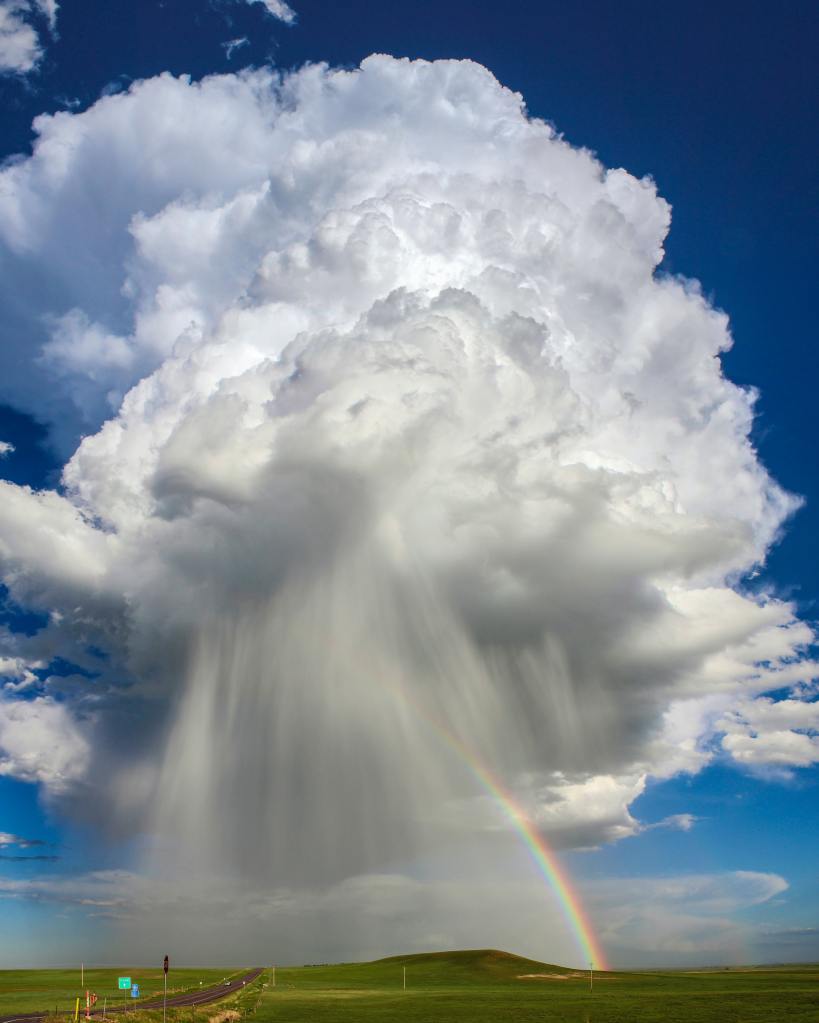
Thanks NOAA at Unsplash for this great picture

‘On the fifth day, which was Sunday, it rained very hard. I like it when it rains hard. It sounds like white noise everywhere, which is like silence but not empty.’ – Mark Haddon, The Curious Incident of the Dog in the Night Time

or

‘It was one of those March days when the sun shines hot and wind blows cold: when it is summer in the light, and winter in the shade.’ Charles Dickens, Great Expectations.

There was once a school of thought that suggested writing about weather in our work was dull. B Or Ing. Something we shouldn’t do if we wanted to keep our readers engaged. No one wants to read about the sunshine pouring in through the window or the rain battering the door we were told. Why ever not? I think one of the most important elements of a novel or short story or even flash, is, if applicable to the plot, the weather. It can set a mood, break a mood, and is as important a plot device as any of the others. Thrashing storms have to be thrashed out on the page to bring them to life. Simply saying there was a horrible storm at sea and the ship nearly sank doesn’t creative many waves, does it? So bring on the weather.
With climate change and the heating of the Earth many authors are turning their skills to writing cli-fi, much of it not fiction at all, so it looks like the weather in our writing is well and truly here to stay. But not in the way authors 50 years ago expected I guess.

Is cli-fi speculative? Can be. Dystopian? If you want. Utopian? Up to you. But all of it deals with the human fallout of a warming planet.

Climate Fiction: sounds like 21st century gothic horror to me.
Finding a Gem Amongst Junk

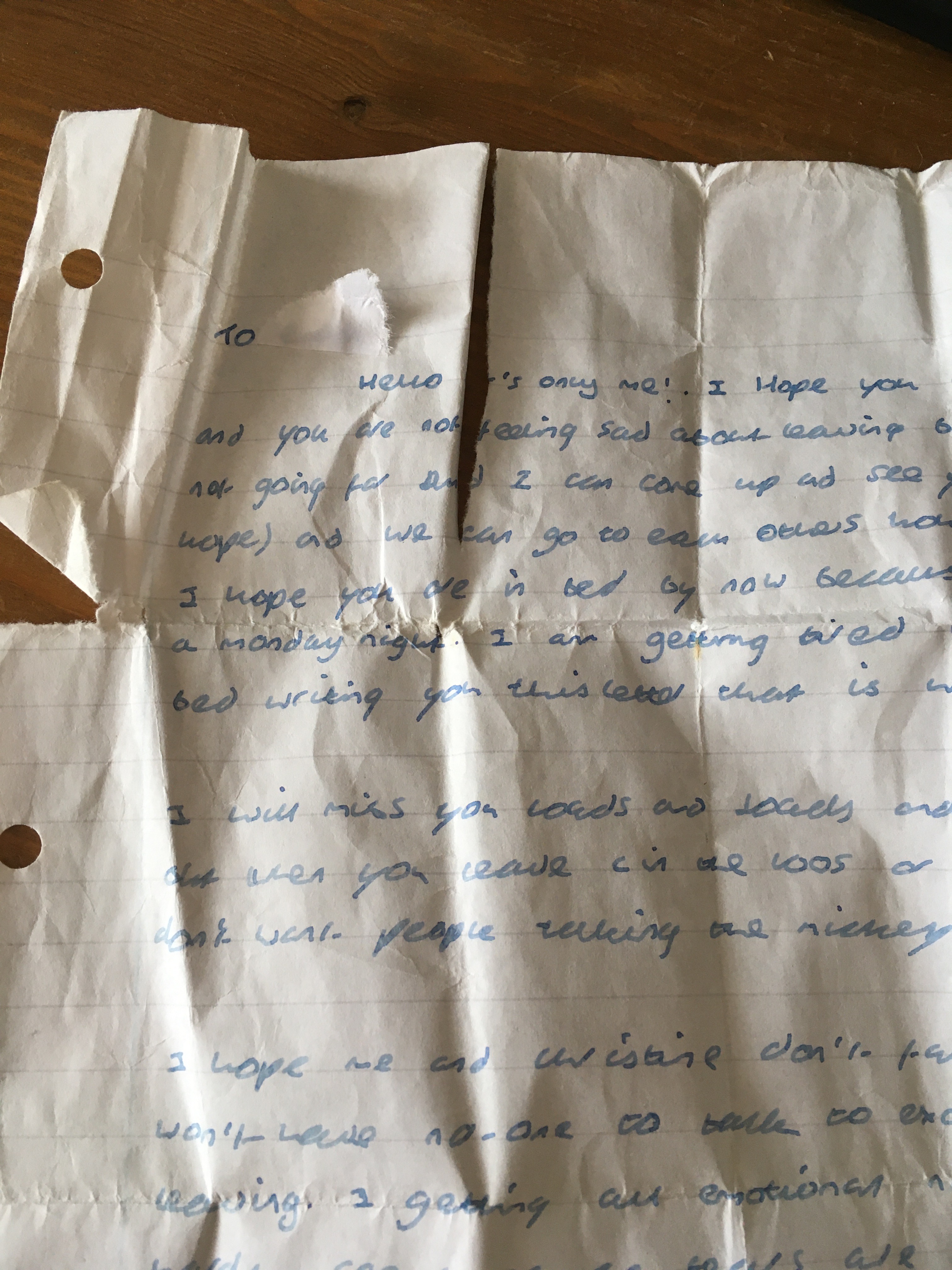
Slowly creeping out of lockdown and I have been volunteering at a local charity shop. Imagine my amazement when I found at the bottom of an old cardboard box, this letter. Handwritten in ink, it is a goodbye letter from one schoolgirl friend, Anne, to another, Angela – although those are not actually their real names because you never know, they may one day stumble across this blog and know it is their letter. Stranger things have happened.

Letter to my friend.JPG

Anne is saying farewell to Angela because Angela is moving away, presumably with her family, and Anne is saying how much she will miss her – she’ll ‘cry her eyes out in the loos so that no-one can take the mickey’ out of her. As she writes, she says how the words are getting bleary because her eyes are filled with tears. Very moving – and let’s face it – an author’s dream to find such a thing. Talk about inspiration. I hope their lives worked out ok and Anne moved on to find other friends. 

But did Anne ever post this letter? Did Angela ever receive it?  Who kept it for so long? Why was it in the bottom of a box destined for a charity shop? And how long had it been there?

Where should my story take these two young teenagers? Do they meet again in middle age?

Amongst all the chipped mugs and glittery discarded Prosecco glasses, this letter is without doubt a glorious gem.

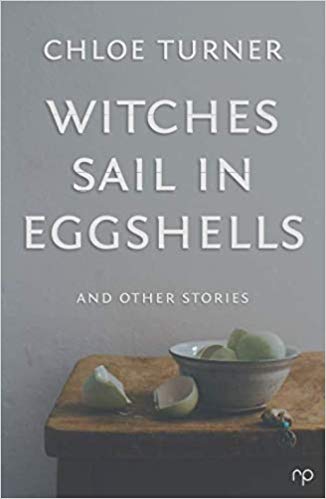
Review – Witches Sail in Eggshells

If you want to write well, you must read, so the saying goes. What a joy then, to be able to read and review Stroud-based writer Chloe Turner’s collection of short stories, Witches Sail in Eggshells.

Witches Sail In Eggshells.jpg

This expertly observed debut collection of short stories reads between the lines of life and explores how we love and lose, then find ourselves and others again.  From an hilarious yet uncomfortable child’s birthday party where the past is laid bare for all to see – yet only seen by some – to the meeting of two women who have loved the same man, to the horror of environmental catastrophe, all stories are told with a melancholic humour that packs a powerful punch.  An example of Turner’s excellent ability to find humour in a sad situation is cleverly explored in Waiting for the Runners in which a mother waiting for her son to finish a cross-country race bumps into the woman who stole her husband. The stooge in the story is Mrs Harris, the PE teacher: Mrs Harris’s Lycra thighs emerged from the shrubbery like purple hams brings brevity to the sadness, the reader having just learned of a terrible sorrow brought upon the narrator years before. Turner does this very well. We feel the pain of each woman – of wife and mistress, of their discomfort and disconnectedness, and yet the story ends with a sigh, a release, that is positive and uplifting. Such juxtaposition of emotions runs through all these stories, often taking the reader by surprise – and that is the magic of Turner’s writing.  In the intriguingly entitled The House With Three Stories That Might Be Five, an unusual but not implausible story unfolds, and this, like the others, has some beautiful observations casually dropped in to the narrative that make you catch your breath. Turner describes Cathy, a group member on a tour, succinctly with a simple line ‘I’ve been alone so long, sometimes I wonder if my reflection might leave me,’ and you feel Cathy’s loneliness like a sting.
The honesty in the writing cuts straight to the core of the story.

In Show Me What You’re Made Of, Turner takes a darker turn, leaving the reader wondering.  Creepiness at it’s best.

There are similar themes running through many of these stories – nature, especially, is given a good chance to be seen, but so too danger and menace, humour, melancholy; many stories have a good helping of stoicism which shines a gentle and up-beat light on a human condition which Chloe Turner captures so well. Insightful, resonant, and emotionally touching in different ways, this collection of stories is well worth a read.

Available from Reflex Press, £8.99